Einleitung
Zwei der meistgesuchten Fähigkeiten, die Eltern und Pädagogen durch Spiele entwickeln möchten, sind mathematische und soziale Kompetenzen. Das zeigt mir zweierlei.
Erstens sind sie mit den Eigenschaften von Spielen und Brettspielen vertraut und verstehen, dass es in diesen Bereichen Lösungen gibt.
Zweitens können wir leicht Probleme erkennen, die mit diesen Aspekten zusammenhängen. Und zu all dem kommt der Spaßfaktor des Spielens hinzu; man braucht keinen Experten, um zu wissen, dass Lernen durch Spielen mehr Freude macht.
In den letzten zehn Jahren, während der mehr als hundert Vorträge, Workshops und Fortbildungen, die ich durchführen durfte, erinnere ich mich an keinen einzigen Fall, in dem Mathematik nicht als hervorgehobener Entwicklungsbereich zur Sprache kam.
Natürlich ist jeder Fall einzigartig, aber in diesem Artikel möchte ich meine wichtigsten Antworten zusammenstellen, wobei der Fokus vor allem auf konkreten Spieletiteln liegt.

Schnellnavigation zu den Abschnitten:
Mathematische Lern-Brettspiele:
Game of Six, Math Dice, Mastermind, Pentomino, Smath, Mammoth Maths, Prime Climb.
Moderne Brettspiele, die Mathe-Fähigkeiten fördern:
Ganz Schön Clever, Ricochet Robots, Mahe, Schnapp den Sack, Patchwork, Qwirkle, Splendor.
Does Research Support Math Board Games?
The short answer: yes, and convincingly so. A meta-analysis from the University of Oregon found that board games improve numerical skills with a 76% probability of success — meaning that in controlled studies, children who played math-related board games outperformed non-players about three quarters of the time. Research from Vanderbilt University specifically highlighted linear number-line board games (like Shut the Box) as particularly effective for developing number sense in young children.
Perhaps most encouragingly, studies show that even 10 minutes of daily play can produce measurable improvement in math skills. This isn't about marathon study sessions — it's about consistent, enjoyable engagement with mathematical concepts.
For a deeper dive into the research behind educational games, see our article on the developmental impact of board games.
Welches Brettspiel hilft bei Mathe?
Meiner Erfahrung nach gibt es darauf zwei verschiedene Antworten, je nachdem, was die Menschen damit meinen:
Der Weg der Lern-Brettspiele für Mathematik
Sie möchten Spiele entdecken, die mit dem ausdrücklichen Ziel entwickelt wurden, einen mathematischen Bereich beim Spielen zu fördern.
Der Fokus liegt auf Wissensvermittlung.
Der allgemeine Brettspiel-Weg
Sie interessieren sich für Brettspiele, die zwar lehrreich sind, sich aber nicht vorrangig auf die direkte Förderung mathematischer Bereiche konzentrieren.
Der Fokus liegt auf Motivation.
Welche Antwort du brauchst, kannst nur du selbst wissen, daher versuche ich in diesem Artikel, beide Richtungen abzudecken.
Grundsätzlich kennt ihr als Lehrer oder Eltern eure Kinder sicherlich besser als ich. Manche bevorzugen es zu wissen, dass sie lernen, weil ihnen der Fokus wichtig ist, aber wir kennen auch viele Kinder, bei denen das Lernen versteckt werden muss, weil allein die Tatsache, etwas leisten zu müssen, sie blockiert. Ich kann auch nicht wissen, ob ihr nach Mathe-Spielen sucht, weil etwas schwerfällt, oder weil etwas gut läuft. Aufholen und Begabtenförderung können beides hervorragende Ziele sein.
Beginnen wir mit sogenannten Edutainment-Spielen, bei denen die Bildungskomponente stärker betont wird. Danach werfen wir einen Blick in die Welt der modernen Brettspiele. Was nicht behandelt wird, sind die klassischen abstrakten Denkspiele wie Schach oder Go, da sie ganz offensichtlich einen positiven Einfluss auf zahlreiche mathematische Bereiche haben und häufig diskutiert werden.
The Three Levels of Math Motivation
Building on the two paths above, here is a more specific framework for choosing the right approach. This is based on years of working with children, parents, and teachers:
The child knows math is challenging but wants to improve and is willing to practice.
You don't even need educational games here — standard learning tools work fine. But games can make practice more enjoyable.
Approach: Any math game or learning tool
The child wants to improve but finds traditional methods dry and boring.
This is where dedicated educational math games shine — like Math Dice or Prime Climb. They make drill practice genuinely fun.
Approach: Educational math games
The child struggles with math and doesn't want to acknowledge it. Any direct learning feels threatening.
Hide the math. Play Splendor where the number range is small but value comparison is constant. Play Patchwork where geometry happens without anyone saying the word.
Approach: Modern games with "hidden math"
There's one overriding principle across all three levels: the fun comes first. A game that nobody wants to play teaches nothing. Whatever you choose, it has to be genuinely enjoyable — otherwise it'll gather dust on the shelf.
Looking for math games that use only a deck of cards? Check out our guide to math card games for all ages.
Quick Reference: Age x Skill x Approach
| Age Group | Key Math Skills | Educational Games | "Hidden Math" Games |
|---|---|---|---|
| Preschool (3-5) | Counting, number recognition | Shut the Box, Sum Swamp | Hi Ho Cherry-O, Hoot Owl Hoot |
| Early Elementary (6-8) | Addition, subtraction, basic operations | Game of Six, Math Dice, Mammoth Maths | Yahtzee, Blokus |
| Upper Elementary (8-12) | Multiplication, geometry, spatial reasoning | Mastermind, Pentomino, Smath, Prime Climb | Set, Qwirkle |
| Teens & Adults (12+) | Probability, optimization, complex strategy | Equate | Splendor, Patchwork, Ganz Schon Clever |
Math Board Games by Age Group
Below we organize our recommendations by age. For each group, we don't just tell you what a game teaches — we explain how the math actually happens during play.
Preschool (Ages 3-5): Counting and Number Recognition
At this age, math is about building number sense — understanding that numbers represent quantities, that counting has an order, and that "more" and "less" are meaningful comparisons. The best games for preschoolers make counting a natural part of play, not a separate exercise.
Shut the Box is a simple dice game where players roll and flip down numbered tiles that sum to the roll. A child rolling 7 might flip down 3+4, or 2+5, or 7 alone — practicing decomposition of numbers without any worksheet in sight. Sum Swamp turns addition and subtraction into a board game adventure. For the "hidden math" approach, classic games like Hi Ho Cherry-O (counting cherries in and out of a basket) and Hoot Owl Hoot (cooperative counting toward a goal) work beautifully. For more game ideas for young children, see our guide to educational board games for 6-year-olds.
Early Elementary (Ages 6-8): Addition, Subtraction, and Basic Operations
This is the age where children start performing operations — and where frustration with math often first appears. The right games can make arithmetic practice feel like play rather than homework.
Game of Six, Math Dice, and Mammoth Maths are all excellent educational options that make calculation genuinely engaging. Yahtzee is a classic that many families already own — and it's secretly a math powerhouse: children add dice, calculate combinations, and make probability-based decisions about which scoring category to fill. Blokus introduces geometry and spatial reasoning as players fit colored pieces onto a board, each piece touching only at corners.
Upper Elementary (Ages 8-12): Multiplication, Geometry, and Spatial Reasoning
By this age, children can handle more complex mathematical thinking. The games get more strategic, and the math embedded in them becomes richer.
On the educational side: Mastermind develops logical deduction (process of elimination is pure math). Pentomino puzzles teach geometric transformation — rotation, reflection, spatial fitting. Smath is essentially Scrabble for math equations. Prime Climb uses a beautiful color-coded board to make prime factorization visual and intuitive. Set (winner of 35+ awards) builds pattern recognition and logical categorization. Equate is a math crossword game that's particularly popular in classrooms. For classroom-specific advice, see our guide to math board games for the classroom. For more age-appropriate games, check out educational board games for 10-year-olds.
Teens & Adults (12+): Probability, Optimization, and Complex Strategy
For older players, the most powerful math board games are often not marketed as "educational" at all. These are modern designer board games where mathematical thinking is woven into every decision — but wrapped in engaging themes and compelling gameplay. This is where the "hidden math" approach truly shines.
Splendor, Patchwork, Ganz Schon Clever, Ricochet Robots, and Qwirkle all develop sophisticated mathematical skills through play. We go into detail on each of these in the Modern Games section below. For a much larger list aimed at older players, see our 65 math games for adults.
Math Board Games by Skill
Sometimes you know exactly which math skill you want to target. Here's a cross-reference — many games appear in multiple categories because they develop several skills at once.
Counting & Number Sense
Shut the Box, Sum Swamp, Hi Ho Cherry-O, Game of Six
Arithmetic (+, -, x, /)
Math Dice, Mammoth Maths, Smath, Equate, Yahtzee, Schnapp den Sack
Geometry & Spatial Reasoning
Pentomino, Patchwork, Blokus, Ricochet Robots
Logic & Deduction
Mastermind, Set, Ricochet Robots, abstract strategy games
Probability & Estimation
Ganz Schon Clever, Mahe, Yahtzee, Splendor
Pattern Recognition
Set, Qwirkle, Prime Climb, Splendor
Mathematische Lern-Brettspiele
Hier findet ihr drei Arten von Spielen:
-
Spiele, die mit wenigen Hilfsmitteln gespielt und hergestellt werden können. Auch wenn sie vielleicht nicht so bunt und ansprechend sind wie Brettspiele in der Box, bieten sie dennoch Entwicklungsziele für Kinder.
-
Spiele, die ihr wahrscheinlich kennt, die euch aber vielleicht nicht sofort einfallen, wenn ihr an mathematische Förderung denkt.
-
Brettspiele, die gezielt für die direkte mathematische Förderung entwickelt wurden.
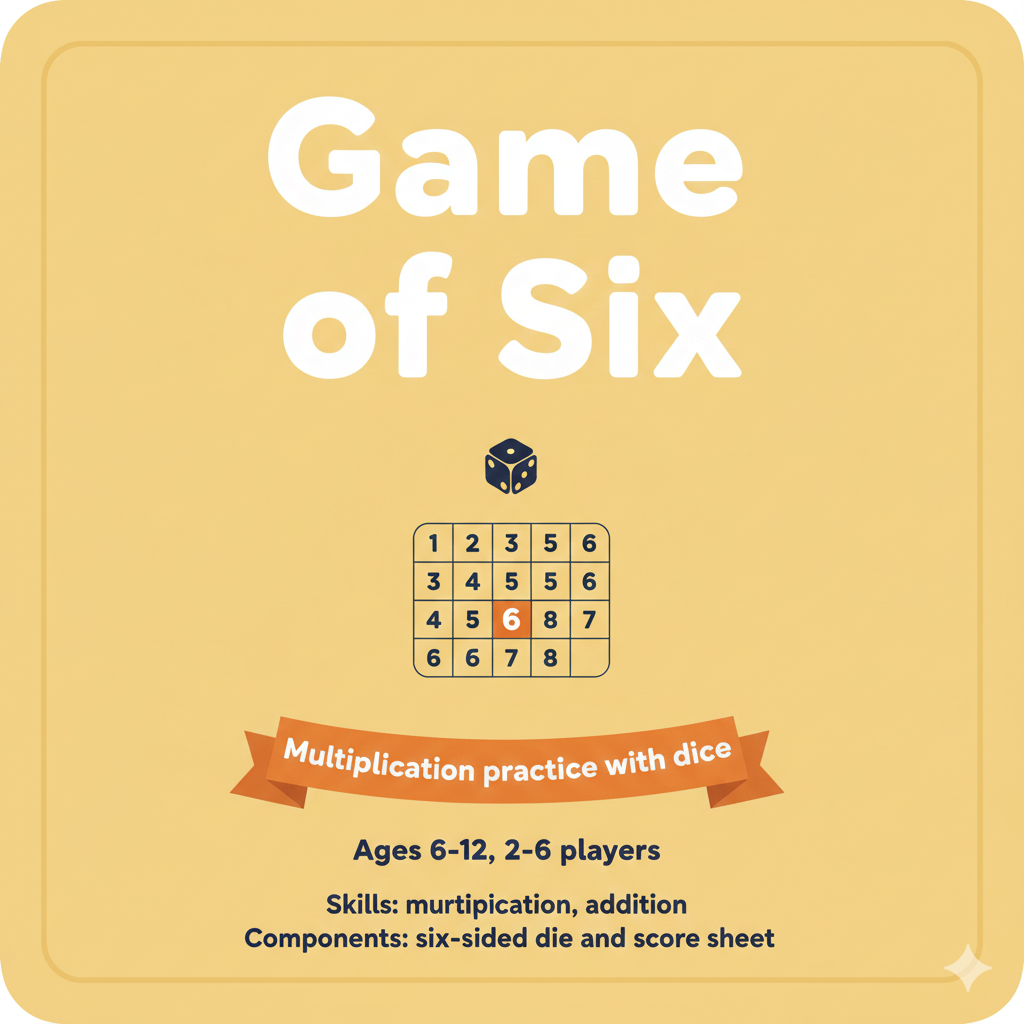
Spiel des Sechsers
Multiplikationsübung mit Würfeln
Spielmaterial
Sechsseitiger Würfel, Punkteblatt
Geförderte Fähigkeiten
Multiplikation, Addition
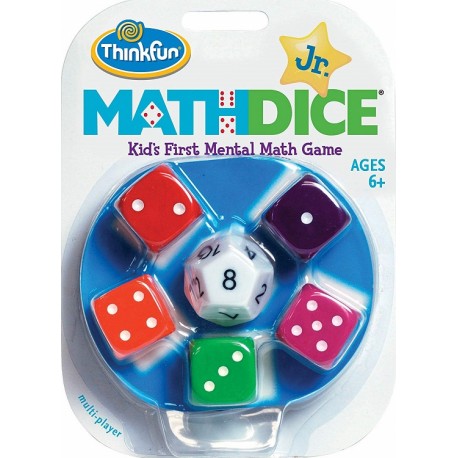
Math Dice
Zielzahl-Rechenspiel
Spielmaterial
Zwei 12-seitige Würfel, drei 6-seitige Würfel
Geförderte Fähigkeiten
Rechnen, Addition und Subtraktion, Zahlenverständnis, logisches Denken
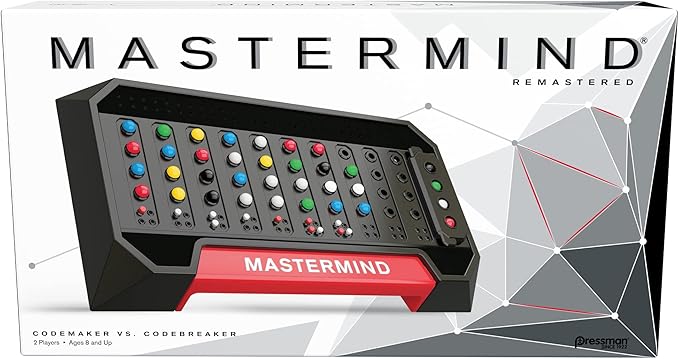
Mastermind
Codeknacker-Logikspiel
Spielmaterial
Mastermind-Spielset mit farbigen Steckern
Geförderte Fähigkeiten
Logisches Denken, Kombinations- und Permutationsfähigkeiten, Mustererkennung
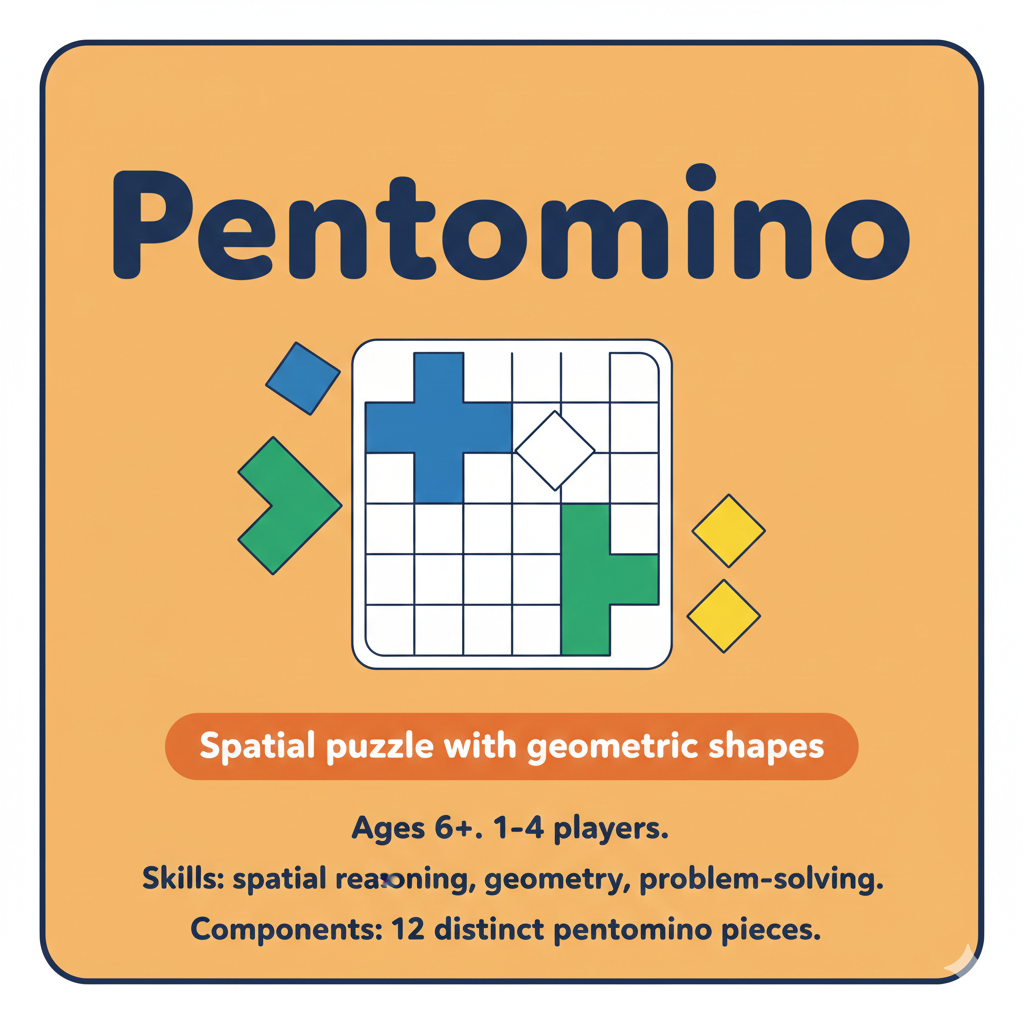
Pentomino
Räumliches Puzzle mit geometrischen Formen
Spielmaterial
12 Pentomino-Teile, 8x8-Spielbrett
Geförderte Fähigkeiten
Räumliches Denken, Geometrie, Problemlösung
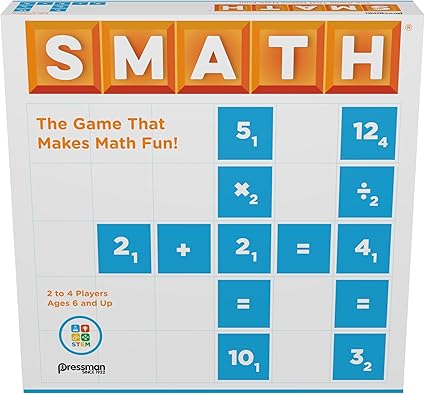
Smath
Mathe-Kreuzworträtsel-Spiel
Spielmaterial
Smath-Spielbrett und Plättchen
Geförderte Fähigkeiten
Rechnen, Addition und Subtraktion, Multiplikation und Division, logisches Denken, Mustererkennung
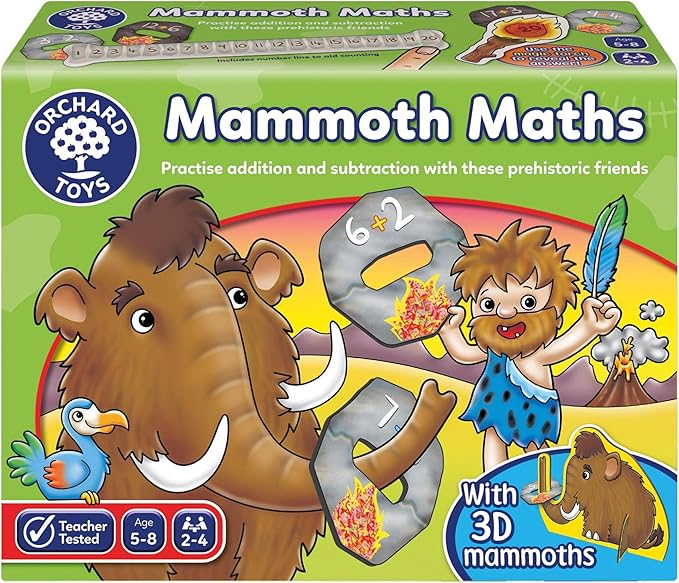
Mammoth Maths
Einfaches Additions- und Subtraktionsspiel
Spielmaterial
Spielbrett, Würfel, Steinringe
Geförderte Fähigkeiten
Addition, Subtraktion
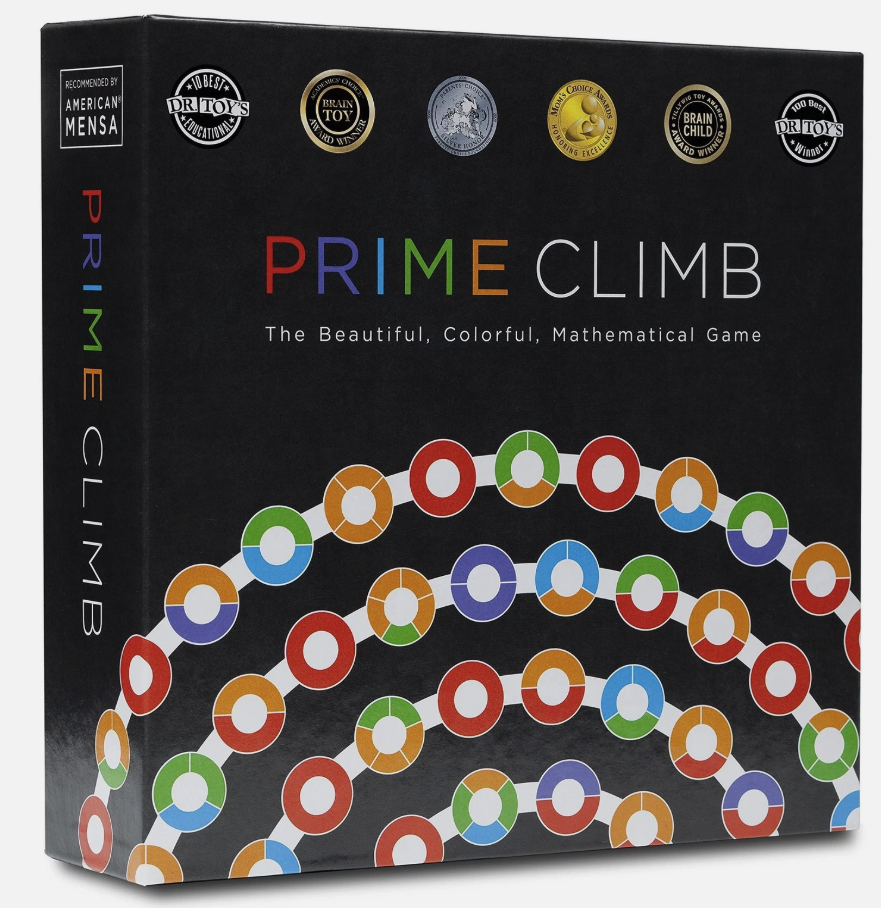
Prime Climb
Primzahlen-Strategiespiel
Spielmaterial
Prime Climb Spielbrett und Spielsteine
Geförderte Fähigkeiten
Primzahlen und zusammengesetzte Zahlen, Multiplikation und Teilbarkeit, Rechnen und Grundoperationen, Strategie und Logik
Moderne Brettspiele, die Mathe-Fähigkeiten fördern
Diese Spiele sind nicht ausdrücklich „Mathe-Spiele", aber sie alle beinhalten in gewissem Maße mathematisches Denken und Strategie:
The "Hidden Math" in Three Popular Games
Patchwork: Optimization and Geometry
Patchwork is an optimization problem at its core: you maximize your territory while making economic cost-benefit decisions every turn. Since it's a spatial puzzle, geometric thinking is deeply embedded — players mentally rotate and flip polyomino pieces to find the best fit. Beyond the gameplay, the polyomino concept itself has a fascinating history, from the Tetris games of the 1980s to modern board games by Uwe Rosenberg (Patchwork's designer also created A Second Chance — another excellent example). Even the end-game scoring involves practical arithmetic: adding points, subtracting penalties, applying the 2x multiplication table for empty spaces.
Splendor: Resource Engine Building and Value Comparison
Splendor is one of the tightest, most elegant games in the mainstream market — and that's precisely what makes it mathematically rich. You're building a resource engine and trying to understand its math. A collection of seemingly worthless items is the key to valuable ones, because those cheap cards let you reach the 15-point target faster than players who chase expensive cards from the start. The typical mistake: someone reaches 8-9 points while another player sits at 3-4, but that second player has been building an engine that suddenly produces cards cheaply or free, flipping the match to 15-12. Add probability estimation and risk assessment (available cards change randomly), plus pattern recognition (who can spot the colors available and the colors needed with least effort), and you have deep mathematical engagement disguised as a gem-trading game.
Ganz Schon Clever: Combinatorial Point Maximization
This is a combinatorial point-maximization puzzle with dice. Players try to activate chain reactions and synergies across different colored scoring tracks, where every decision affects future possibilities. It's essentially a decision tree: each dice placement opens or closes multiple future scoring paths. The mathematical skills practiced include probability estimation (which dice results are likely), optimization under constraints (limited actions per turn), and systems thinking (how one track interacts with another).
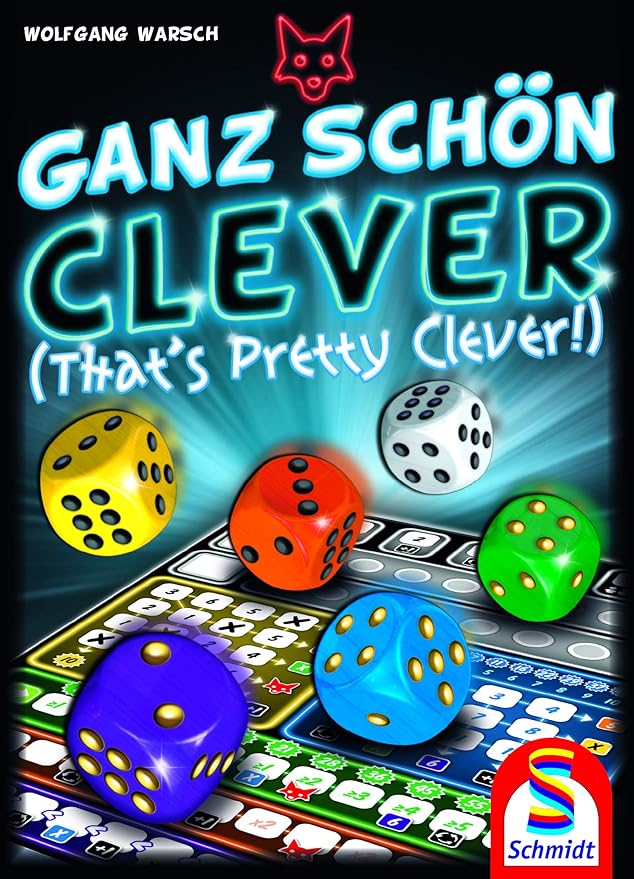
Ganz Schön Clever
Würfel-Strategiespiel
Spielmaterial
Sechs Würfel, Punkteblatt
Geförderte Fähigkeiten
Kombinationen und Permutationen, Addition, Multiplikation, Strategie und Entscheidungsfindung, mathematische Logik
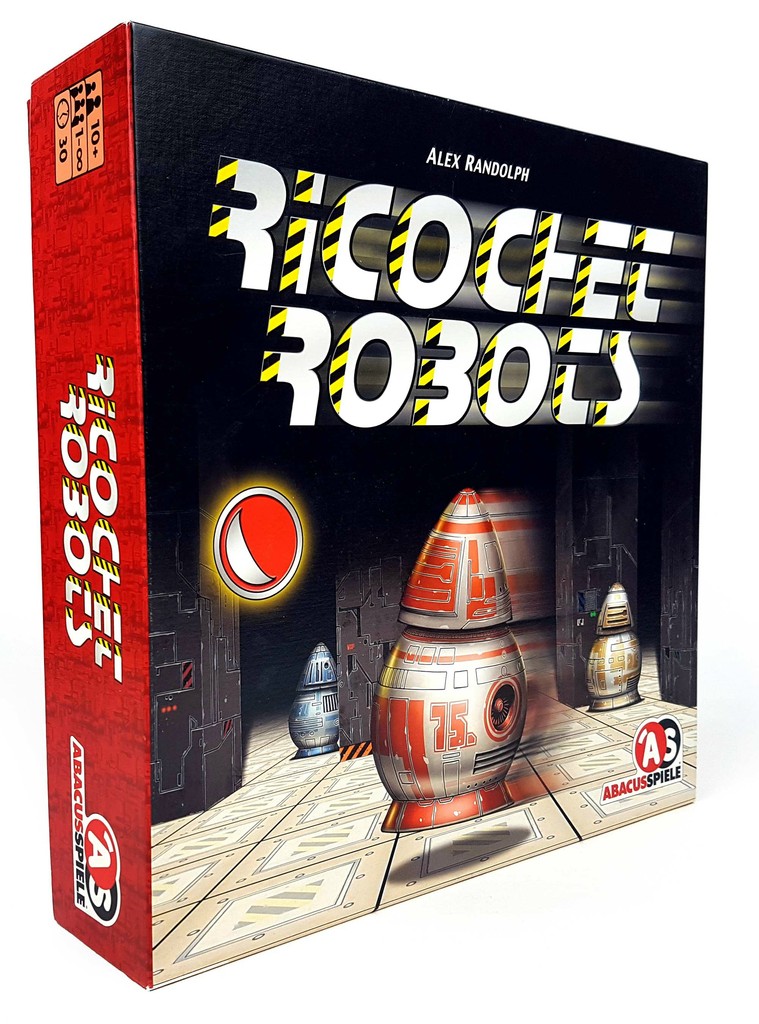
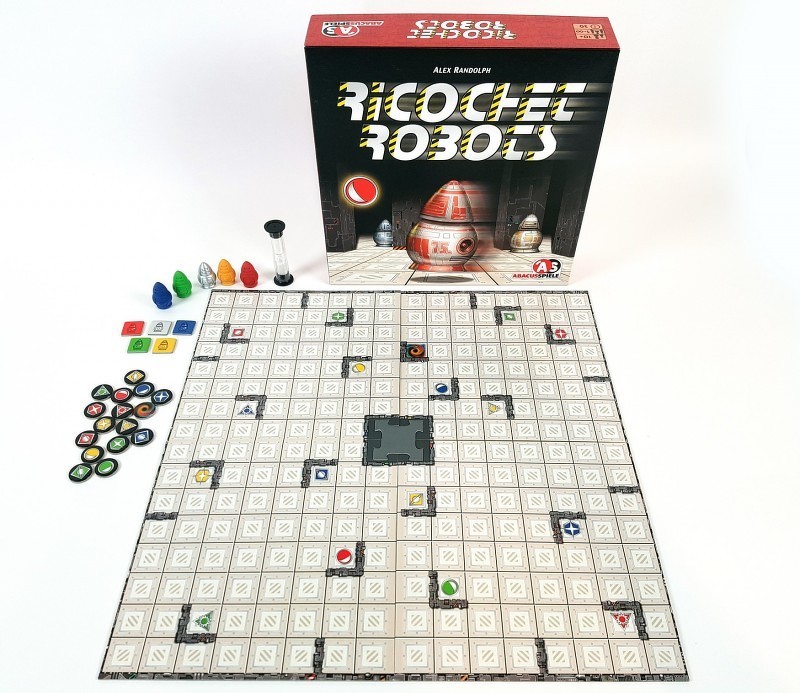
Ricochet Robots
Räumliches Programmier-Puzzle
Spielmaterial
Spielbrett, Roboterfiguren, Wände
Geförderte Fähigkeiten
Räumliches Bewusstsein, logisches Denken, Koordination und Planung, mathematisches Denken, Arbeitsgedächtnis, Programmierdenken
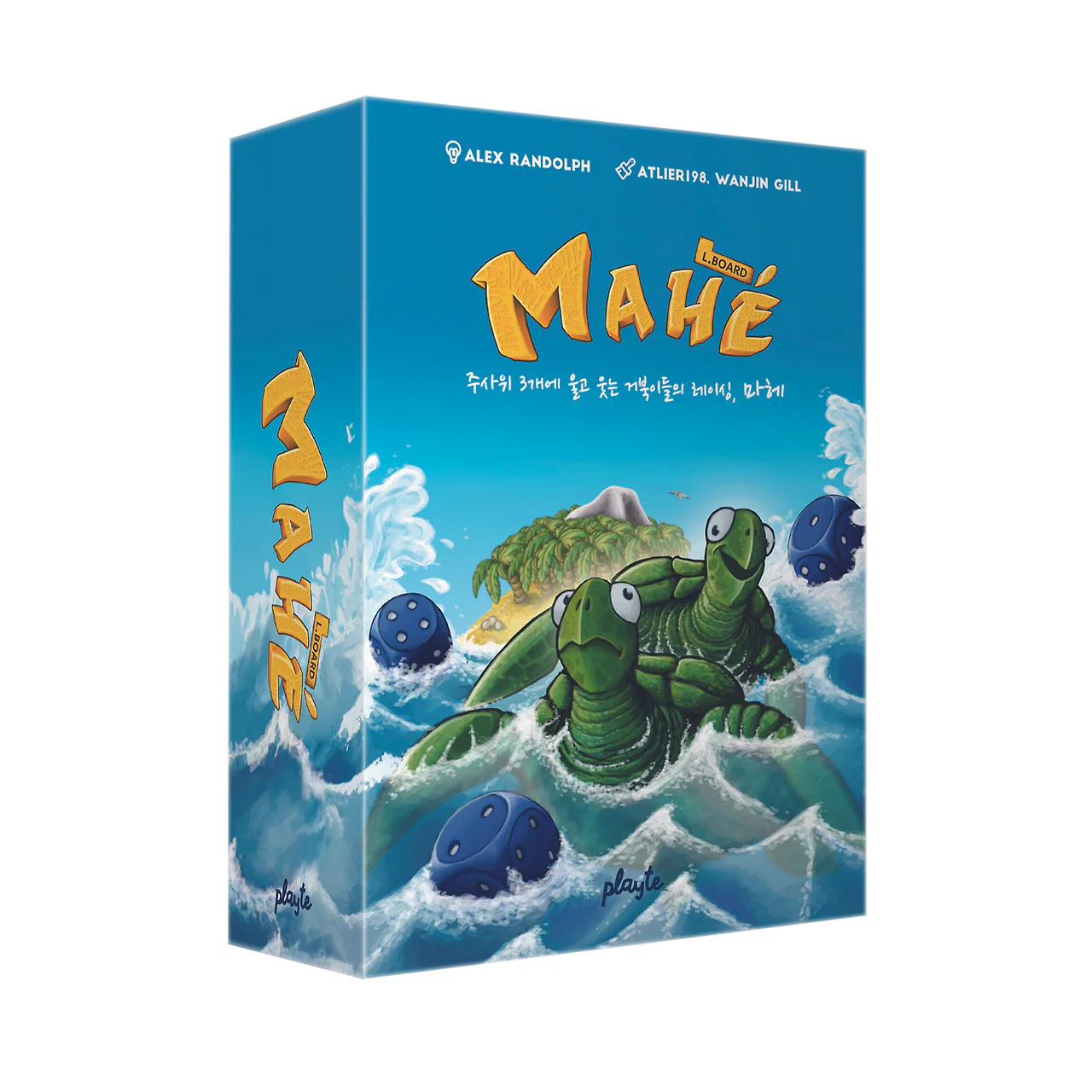
Mahé
Stapel- und Wettlaufspiel
Spielmaterial
Spielbrett, Würfel, Spielfiguren
Geförderte Fähigkeiten
Zählen, Multiplikation, Addition
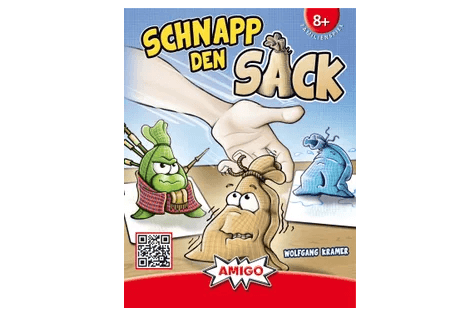
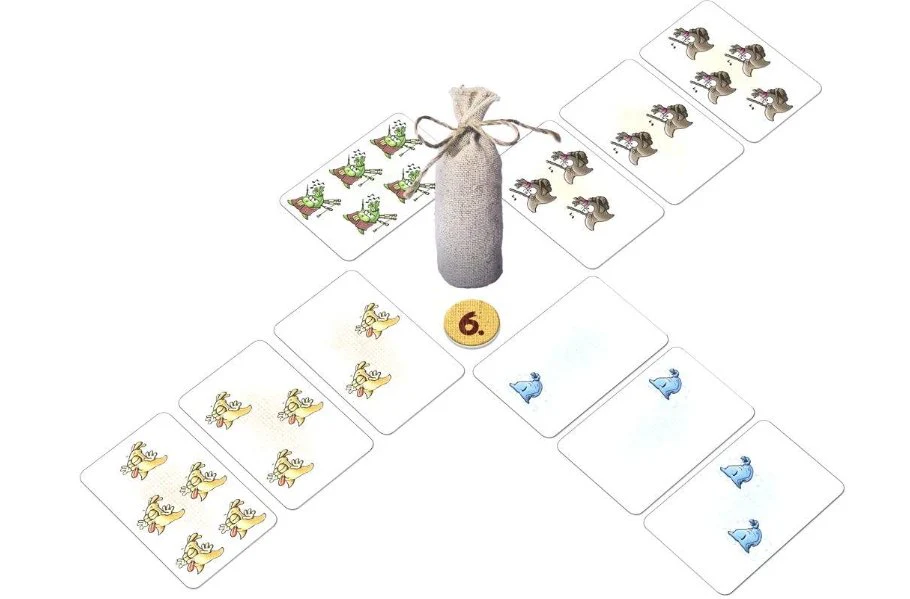
Schnapp den Sack
Schnelles Zähl- und Greifspiel
Spielmaterial
Karten, Sack
Geförderte Fähigkeiten
Addition, strategisches Denken, Zahlensortierung und -vergleich, Zählen und Vergleichen
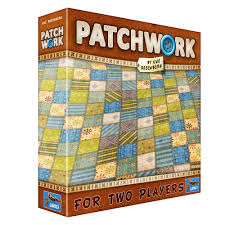
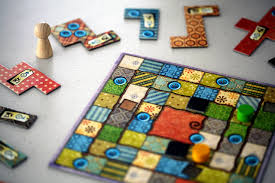
Patchwork
Patchwork ist ein Zwei-Spieler-Spiel, das die beruhigende Kunst des Quiltens mit strategischem Gameplay vereint – ein interessanter Gegensatz, der es besonders macht.
Zwei Spieler wählen abwechselnd Stoffflicken und platzieren sie auf ihrem persönlichen Spielbrett, um möglichst viel Fläche abzudecken und dabei ihre Knöpfe (die Spielwährung) zu verwalten. Auch die Zeit ist ein Faktor, da jeder Flicken eine bestimmte Nähzeit benötigt. Das Spiel endet, wenn beide Spieler das Ende der Zeitleiste erreichen – der Spieler mit den meisten Knöpfen nach Abzügen gewinnt.
Spielmaterial
1 Zeitleiste, 2 Spielertableaus, 33 Stoffflicken, 5 Sonderflicken, 1 Neutralstein, 50 Knopf-Plättchen und ein Regelheft.
Geförderte Fähigkeiten
Das Spiel fördert räumliches Denken, Ressourcenmanagement, strategische Planung und Entscheidungsfindung, da die Spieler Flicken effizient platzieren und ihre Knopf-Wirtschaft verwalten müssen.
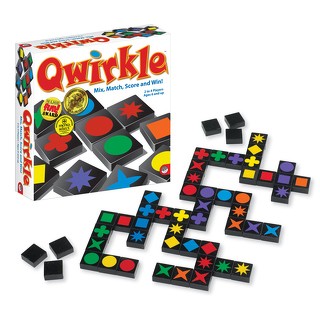
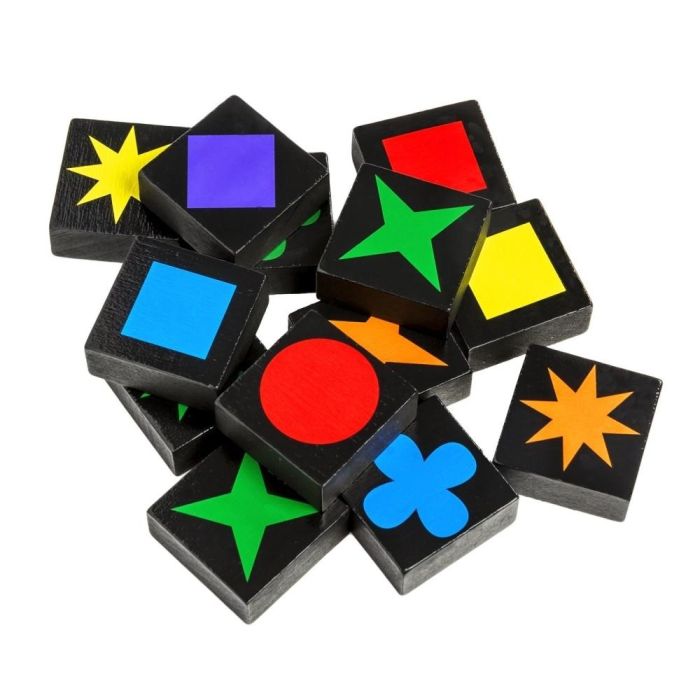
Qwirkle
Nehmen oder liegenlassen? Das ist alles – und trotzdem bringt dich jede Entscheidung ins Schwitzen.
Die Spieler legen abwechselnd Steine in ein gemeinsames Raster und ordnen sie nach Farbe oder Form in Reihen oder Spalten. Je mehr Steine in einer Sequenz liegen, desto höher die Punktzahl. Ein Qwirkle (ein vollständiges Set von sechs passenden Steinen) bringt Bonuspunkte. Der Spieler mit der höchsten Punktzahl gewinnt.
Spielmaterial
108 Holzsteine mit sechs verschiedenen Formen in sechs verschiedenen Farben.
Geförderte Fähigkeiten
Dieses Spiel fördert Mustererkennung, strategisches Denken, räumliches Bewusstsein und Planungsfähigkeiten.
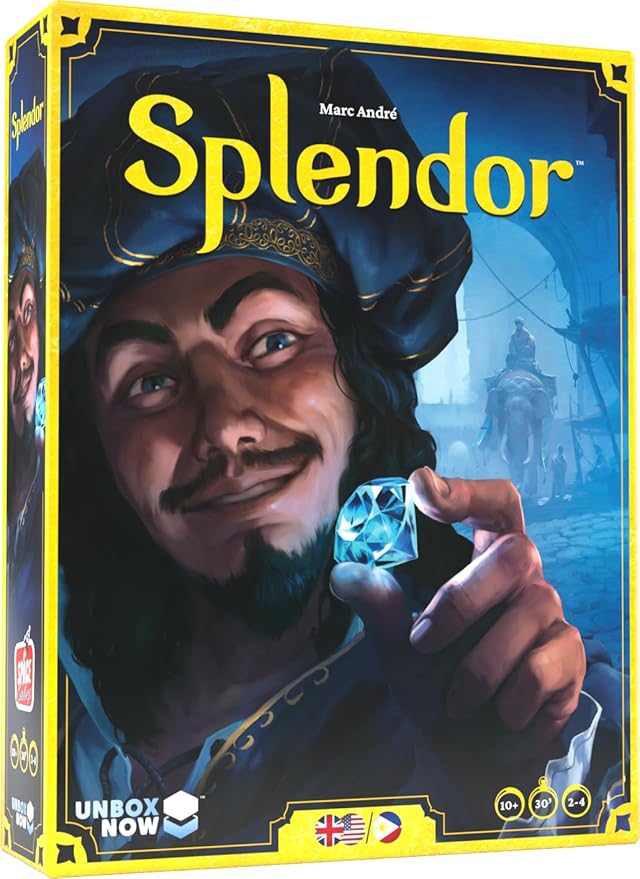
Splendor
Edelstein-Handels- und Engine-Building-Spiel
Spielmaterial
Edelsteinchips, Entwicklungskarten, Adelsplättchen
Geförderte Fähigkeiten
Ressourcenmanagement, Arithmetik, wirtschaftliche Grundbegriffe
Tips for Using Math Board Games Effectively
Having the right game is only half the battle. How you introduce and play the game matters just as much. Here's our advice for different contexts:
For Parents at Home
-
Start with fun, not with learning goals. Pick a game because it's enjoyable, not because it "covers multiplication." If your child loves it, the math follows naturally.
-
Be patient. Motivation-based methods like board game pedagogy are slower than drill. They don't try to teach everything directly and immediately — they invite application, not memorization.
-
Allow mistakes. Board games build independent learning. Errors are part of the process.
-
Match the approach to the child. Review the three levels above and be honest about which one fits.
For Teachers in the Classroom
Using board games in a classroom setting requires different strategies than at home — managing groups, aligning with curriculum standards, dealing with mixed skill levels. We've written a comprehensive guide specifically for this: math board games for the classroom.
For Summer Practice
Summer is when math skills often regress. Board games are the perfect antidote — they keep mathematical thinking alive without feeling like homework. See our curated summer math game list for our specific recommendations on preventing summer slide.
Want Something Custom?
If you can't find the perfect game for your specific situation, consider making your own math board game. It's easier than you think, and the design process itself is a math exercise.
All Our Math Game Resources
This is our complete library of math game content. Each page goes deeper into a specific context or approach:
Math Games for the Classroom
30+ games organized for classroom use, with curriculum alignment tips.
Summer Math Game List
Prevent summer slide with these curated math game recommendations.
Math Card Games
Math games you can play with just a standard deck of cards.
65 Math Games for Adults
Our comprehensive list for older players and families.
Halloween Math Games
Seasonal math games for spooky holiday fun.
Educational Board Games Hub
Our parent guide covering all educational board game topics.
Frequently Asked Questions
Eine mögliche Reise
Mit den aufgelisteten Spielen habe ich viele gute Erfahrungen gemacht, aber es gibt sicherlich auch andere ausgezeichnete Wahlmöglichkeiten. Wenn ihr die obige Liste durchgegangen seid, ist es möglich, dass euch auch etwas aus eurem Regal eingefallen ist, das gut für die Entwicklung mathematischer Fähigkeiten sein könnte.
Mit ein wenig Übertreibung beinhaltet jedes Brettspiel irgendein Maß an Mathematik. Wenn nichts anderes, muss man die Punkte zusammenzählen. Der Schlüssel liegt darin, viele Dinge auszuprobieren und aufmerksam zu sein, denn wenn eine bestimmte Richtung bei den Kindern funktioniert, ist das der Weg, dem man folgen sollte.
Habt eine tolle Reise! Und vor allem: Habt Spaß beim Spielen!
Weitere Mathe-Spiel-Ressourcen
Kein Spam, niemals. Jederzeit abbestellbar.
Teile den Spaß am Lernen!
Gefällt dir unser Inhalt? Zeige deine Unterstützung, indem du unsere Seite mit deinen Freunden teilst und hilf uns, mehr Familien und Pädagogen mit der Freude am Lernen durch Spielen zu inspirieren! Dein Teilen macht wirklich einen Unterschied. Danke, dass du ein wunderbarer Teil unserer Gemeinschaft bist!