It has been quite a while since I last wrote a blog post—mainly due to personal commitments. Although it is visible on the website that we have been working, I hope that in the coming weeks and months this will become even more evident.
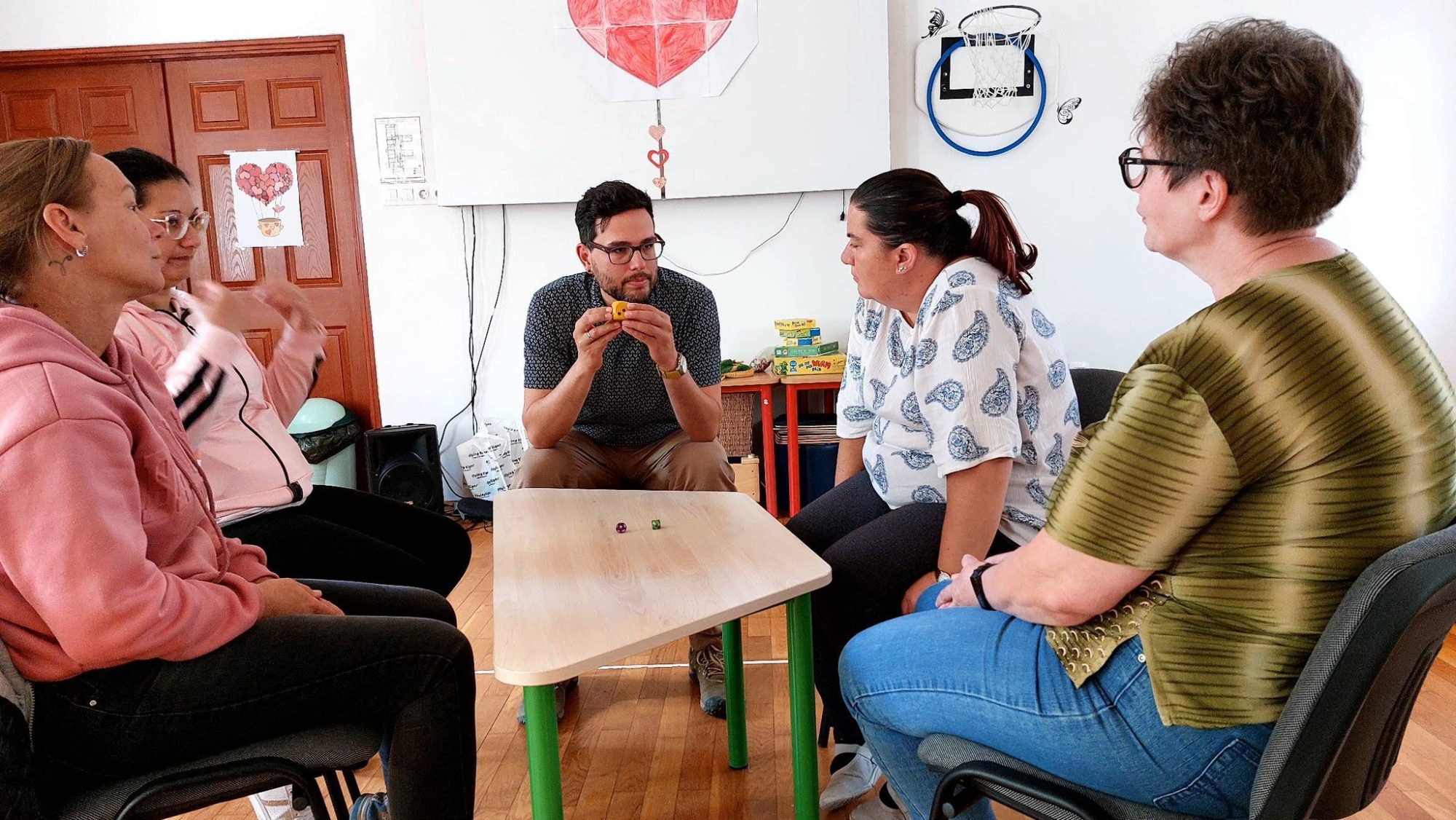
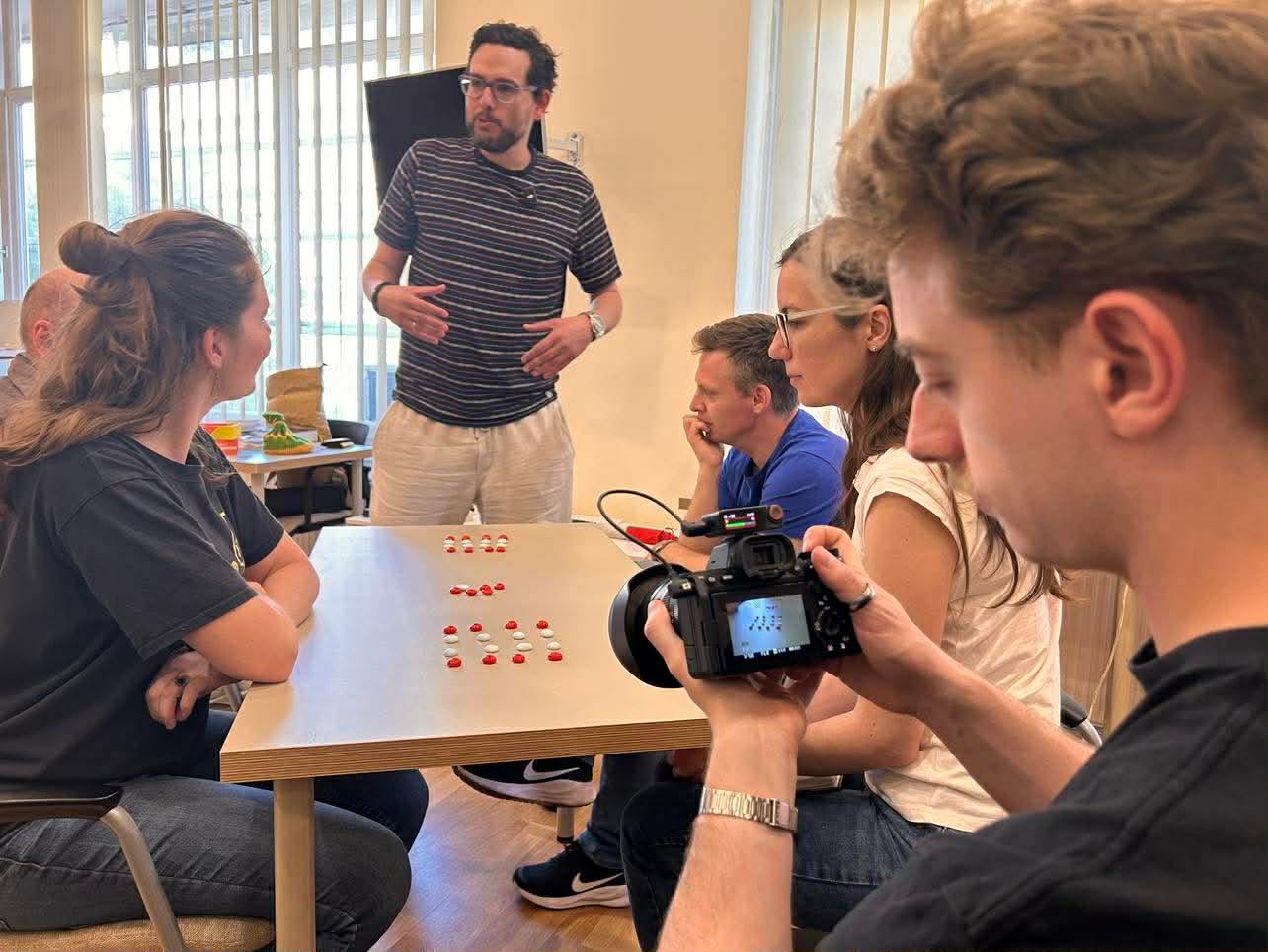
The reason I am writing now, however, is that I recently had the opportunity to lead a very exciting workshop at the request of an organization that works with autistic children and young people.
Of course, we reviewed the basic principles of board game pedagogy, played a few fundamental games (Happy Salmon, Pig, Nim), and discussed the educational impact of games. Then we moved on to the topic of children with special educational needs.

Fortunately, I worked in particularly challenging environments for more than ten years, so I have a great deal of personal experience, which often proves more powerful than any theoretical or research-based data. I have had the opportunity to play with many children and young people with learning difficulties, as well as with autistic children and those with moderate intellectual disabilities.
Based on a quick and admittedly rough estimate, I would place the number of board games I have successfully used with this target group somewhere between 30 and 50—groups with whom many believe it is almost impossible to play anything at all. In my view, the real barrier lies much more on the educator’s side, most often in a lack of familiarity with games. If I only know 5–10 games, it is difficult to find the right one for everyone.
And this is not only important in the context of special educational needs. The use of board games is fundamentally based on motivation, and motivation varies greatly from one individual to another.
Special educational needs are just one factor—no different from whether a child is motivated by vehicle-themed games or whether the goal is to develop reading comprehension. If I know what to look for and where to look—and if I am familiar with a wide range of games—I can offer many suitable options to my group of learners.
Why would young people with learning difficulties necessarily be unskilled at dexterity games? Naturally, they may require different kinds of challenges, but their learning pathways can still be found and supported.
More generally, I believe it is essential that educators and parents reflect on their own practice and mindset, identifying areas in which they themselves can grow. If we accept that children are incapable of certain things, then they will never become capable of them.
Get to know many games, and you will be able to find a pedagogical solution for anything within the world of board games. Anything.