Holding a Neural Network in Your Hands
Teaching AI Through Play – A Conversation with Samaira Mehta
An in-depth PlayWise interview with Samaira Mehta on how board games can make AI tangible, support learning, and empower young people.

Máté Lencse
Educator, game designer, founder of PlayWise
Máté has been regularly playing modern board games and classic abstract board games since 2013. He plays because he loves to. He plays because as an educator, it is his most important motivational and developmental tool. He plays because as a father, it is one of the highest quality times spent with his daughter. He plays because it adds to his marriage. He plays to get to know games and as a game designer, to be able to create new ones. Thus, it's not surprising that he often plays through 15-20 games weekly. Learn more about him and his background on his author page or follow him on social media.
At PlayWise, we often return to the same question: how can complex ideas become accessible, meaningful, and human through play?
In this conversation, we talk with Samaira Mehta — AI researcher and creator of CoderMindz, CoderBunnyz and CoderMarz— about why board games are a powerful medium for teaching artificial intelligence, how playful systems shape thinking, and why learning should feel alive rather than intimidating.

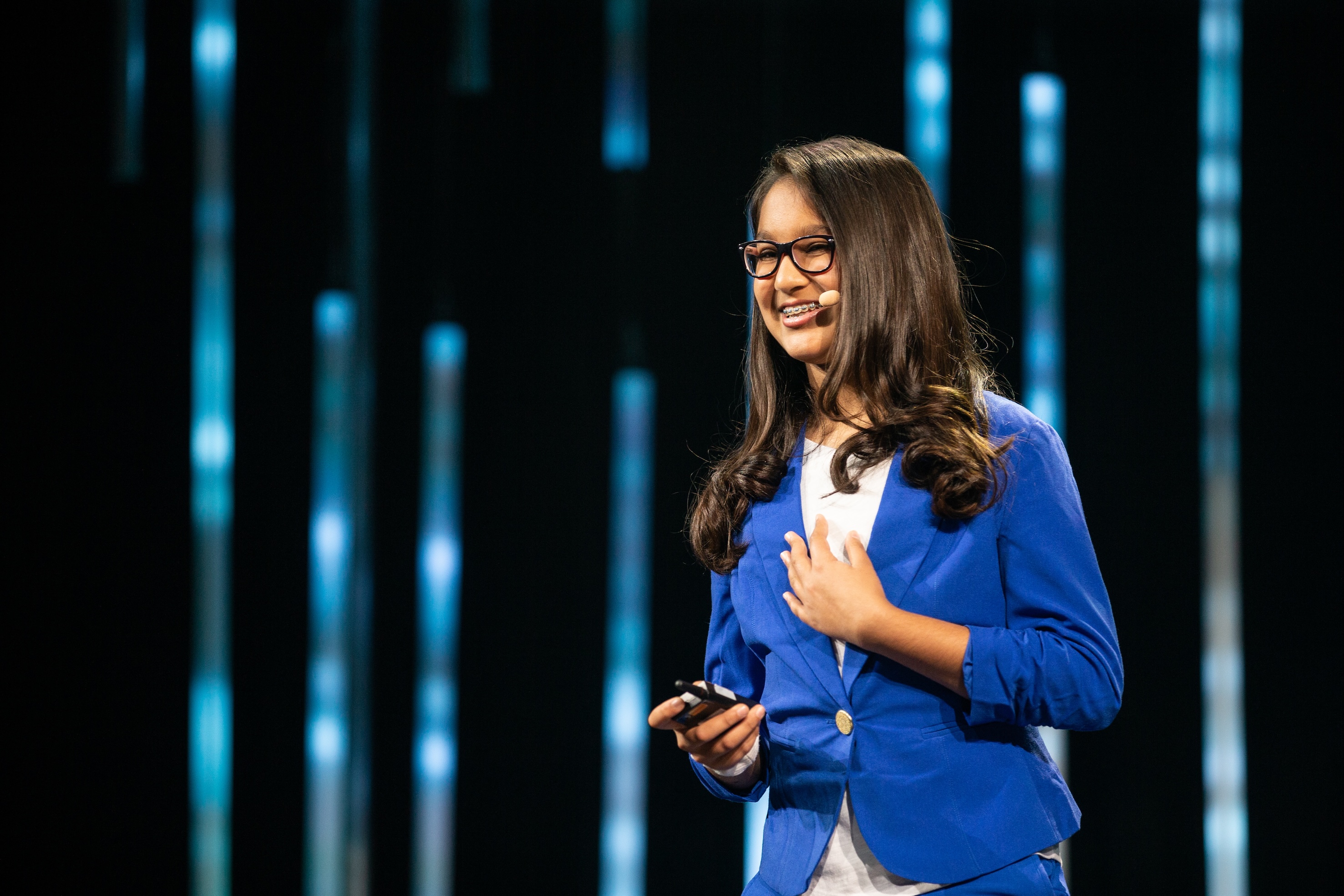
I am Samaira Mehta, a 17 year old AI researcher and founder of CoderBunnyz and CoderMindz, building playful tools that help young people understand and shape the technology shaping their lives.
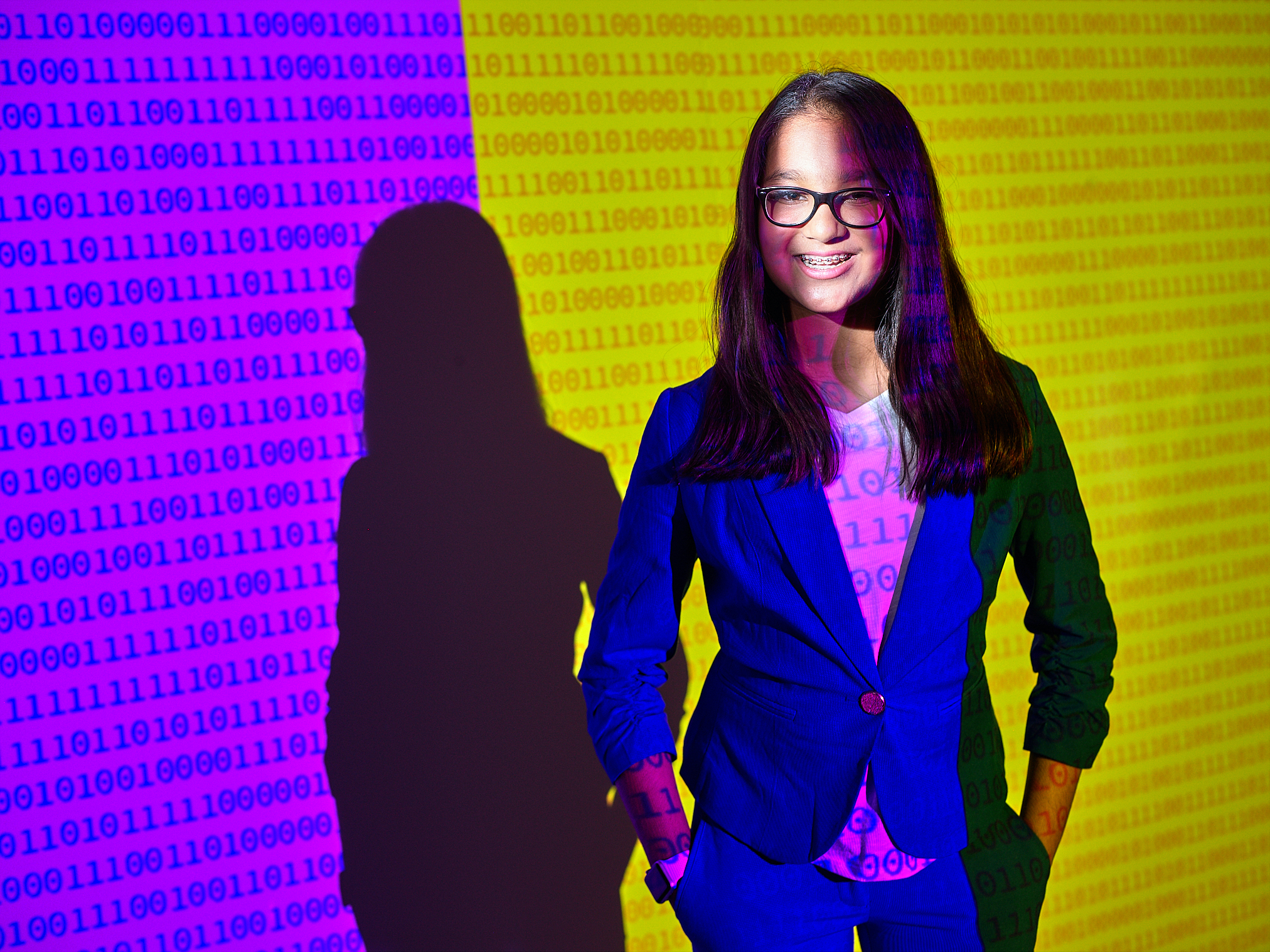
I chose board games because I wanted to take something that feels intimidating and make it joyful. When I started coding at seven, I loved it, but I saw many of my friends feel overwhelmed by screens and complex syntax. They loved games. They loved stories. They loved playing together.
A board game brings people around the same table. It slows everything down. In a world where technology often feels invisible and abstract, a physical game makes it tangible. You can hold a neural network in your hands. You can see how changing one decision affects the outcome. You are not passively scrolling. You are actively thinking.
There is something powerful about using an analog experience to teach digital intelligence. It gives children a sense of control over systems that otherwise feel mysterious. Instead of being shaped by algorithms, they begin to understand how algorithms work.
And yes, I think many people are overwhelmed by the online world. A board game creates space for conversation, laughter, curiosity, and learning without a screen between you.
I love that question, because it reminds people that this did not start as a business. It started as a kid who genuinely loved games.
Yes, I absolutely play board games myself. I always have. Growing up, I loved strategy and logic based games, especially ones where you have to think several moves ahead. Chess was a big influence on me because it teaches pattern recognition and long term planning. I also enjoy games like Catan because they combine strategy with human psychology. You are not just managing resources. You are reading people, negotiating, adapting. That balance between logic and human behavior fascinates me.
What I love most about board games is that they are systems you can see. Every rule creates a constraint. Every constraint shapes behavior. That is also true in technology. Algorithms are just invisible rule systems. Playing games helped me intuitively understand how small rule changes can completely transform outcomes.
So yes, I still play. Not just for fun, but because games remind me that learning does not have to feel heavy. It can feel alive. And honestly, whenever I design a new concept, I go back to that same feeling I had as a child sitting at a table, completely absorbed in solving a challenge with people I care about.
That feeling is what I try to build into every product I create.
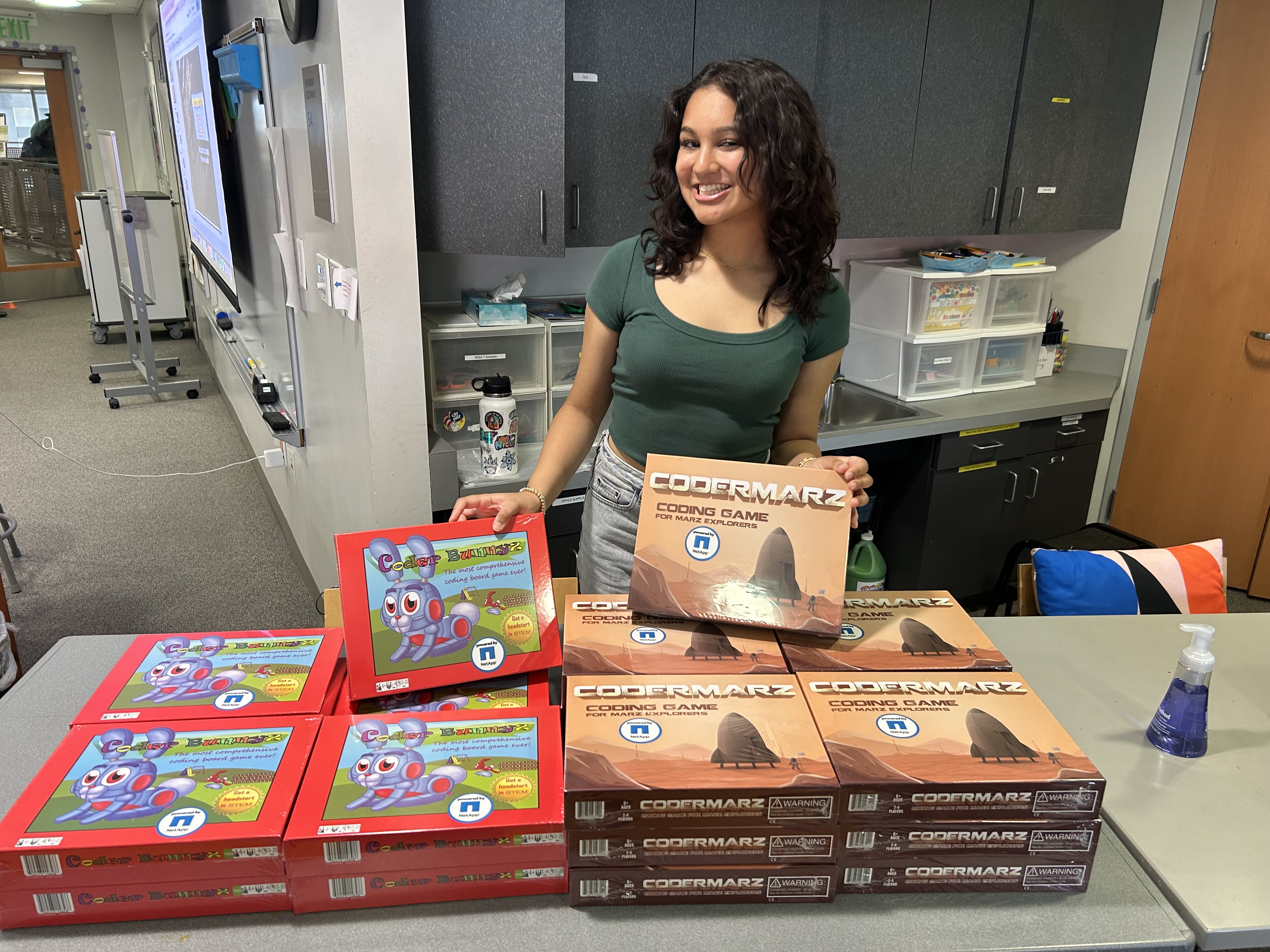
CoderBunnyz was my first game. It is designed for children ages four to ten and focuses on the foundations of coding such as sequencing, loops, and conditionals. The goal is confidence. It helps children say, I can think like a programmer.
CoderMindz takes that confidence and expands it into artificial intelligence. It introduces concepts like machine learning, neural networks, and model training in a way that feels natural and playful. It is for slightly older learners and curious families who want to go deeper.
The progression is intentional. A child moves from learning logic to understanding intelligent systems. From writing simple instructions to thinking about how machines learn and how bias can emerge.
Together, the games are not just about coding. They are about preparing young people to engage thoughtfully with the future of technology.
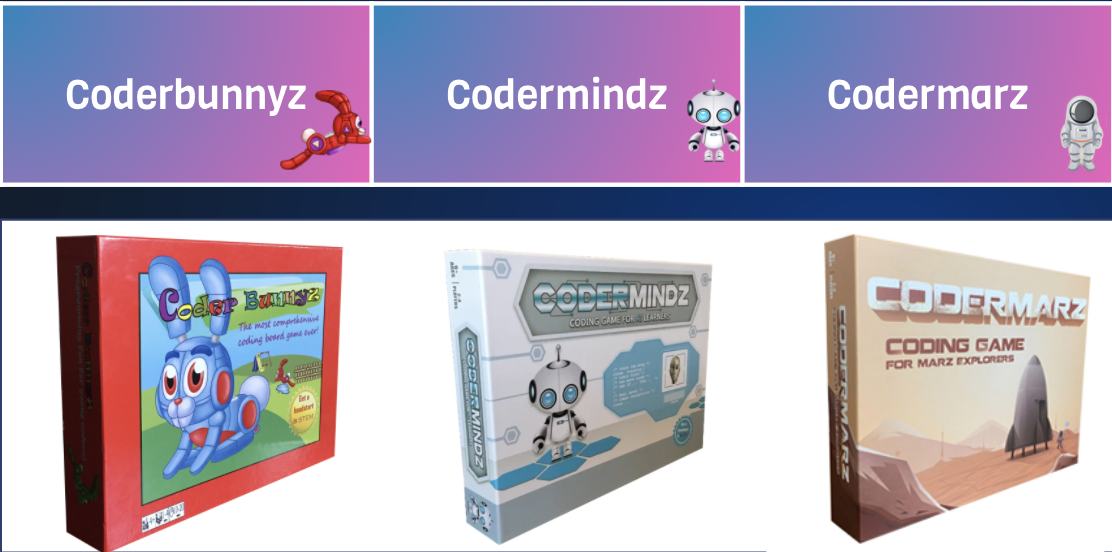
CoderMindz is at the center of a larger initiative called Yes, One Billion Kids Can Code. The game is the entry point, but it is supported by free lesson plans, teacher guides, workshops, and community programs.
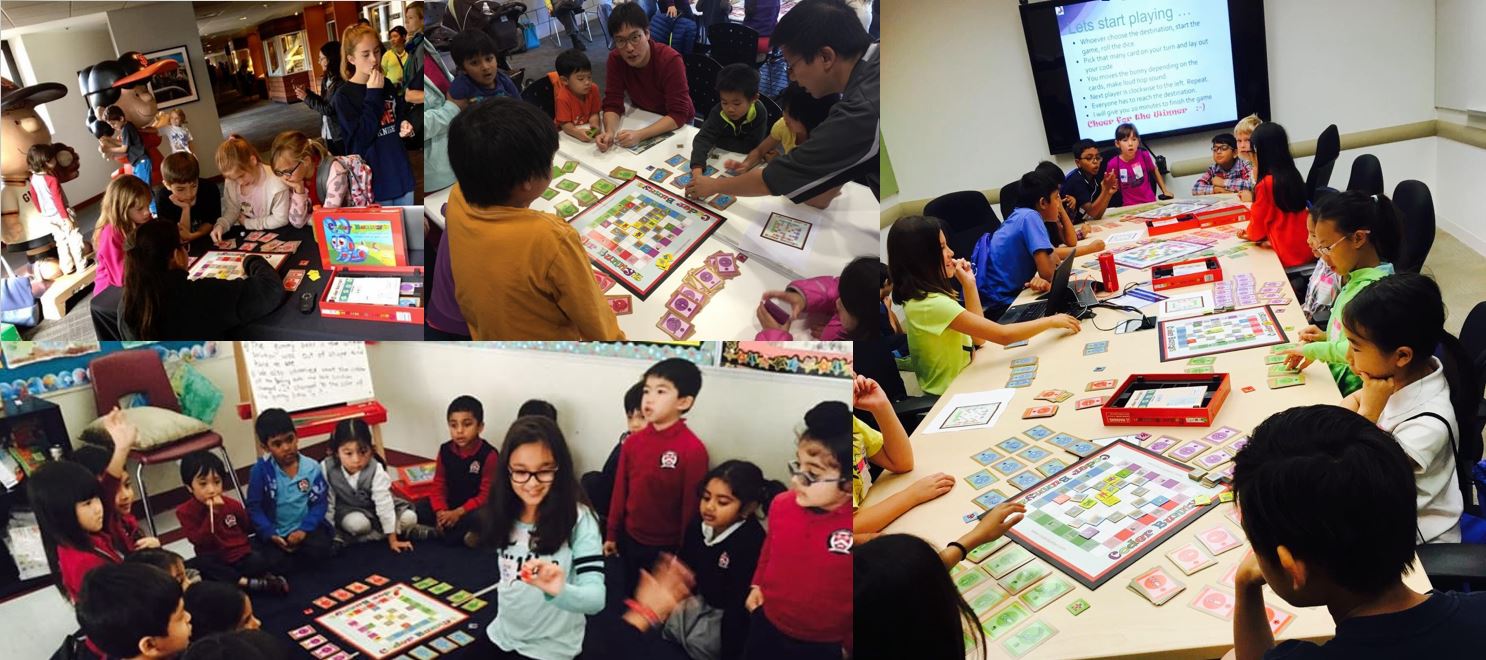
Over the years, I have led hundreds of workshops in schools, libraries, and tech conferences. The goal is not just to teach children how AI works, but to help them ask better questions about it. Who builds it. Who benefits from it. Who might be excluded.
The board game sparks curiosity. The broader program sustains it. Together, they create a pathway from introduction to deeper engagement.
Not at all.
The game is designed to be impactful straight out of the box. When a child plays CoderMindz, they build models, they train them, they adjust outcomes. They are experiencing the core logic of machine learning without even realizing it.
The additional resources deepen the theory, especially in classrooms. But at home, around a kitchen table, the game alone is powerful. It builds logical thinking, collaboration, and curiosity.
If anything, it leaves families wanting to explore more, which is exactly the point.
The child is the primary learner. The parent and educator are the enablers. But I do not think they can be separated.
My games are intentionally intergenerational. A child might understand the mechanics faster, but a parent might bring perspective. When they play together, the learning becomes shared.
I have seen parents tell me that for the first time, they understood what artificial intelligence really means. I have seen children confidently explain neural networks to adults.
That shared discovery is where the real impact happens.
Every game begins with a question. What feels intimidating? What feels inaccessible?
I break that concept down to its simplest components. For CoderMindz, I asked myself how to turn neural networks into something tactile. What would backpropagation look like as a physical action?
I prototype quickly with paper, markers, and simple materials. Then comes the most important part, playtesting with children. If they are confused, I simplify. If they are bored, I redesign. If they love it but are not learning, I adjust again.
The game does not move forward until it is both fun and educationally sound. I treat design like research. Iterate. Test. Refine. Repeat.
I am really glad you asked that, because it is easy to assume that every idea turns into a finished product. That is definitely not true.
Yes, I have had ideas that never became games. Some of them were exciting at first but did not survive playtesting. Others were too complicated. A few were simply not fun, even if the concept sounded brilliant in theory.
One early prototype tried to simulate more advanced AI architecture with too many layers and mechanics. On paper, it looked impressive. In reality, children lost interest within minutes. That experience taught me something important. Complexity does not equal depth. If a game needs constant explanation, it has already failed.
There were also ideas that I paused because the timing was not right. Sometimes the audience was not ready. Sometimes I was not ready. Instead of forcing them forward, I put them aside. A few of those ideas later evolved into something stronger because I had grown as a designer.
Failure in game design is not dramatic. It is quiet. It is watching a child put the pieces down and look bored. It is seeing confusion in their eyes. That feedback is honest and invaluable.
I have learned to detach my ego from the prototype. If it does not work, that does not mean I failed. It means I discovered something. And that mindset is the same one I apply in research, entrepreneurship, and even AI development.
Not every idea deserves to become a product. The ones that survive are the ones that truly serve people.
[Bonus Secret : My 4th game is half done, but it has been on pause for 2 years, it will be matter of time when it becomes reality, hopefully in coming years? We will find out :) ]
It was an advantage in creativity and an education in resilience.
Starting young meant I understood my audience instinctively. I knew what excited us and what made us lose interest. I was designing for my own generation.
But being a young founder also meant facing skepticism. I had to learn to speak confidently in rooms where I was the youngest person by decades.
Over time, I realized that my age was not something to overcome. It was something to embrace. It gave me authenticity. It reminded me why I started.
Start before you feel ready.
Use cardboard. Use paper. Test your idea with a friend. The first version does not need to be perfect. It just needs to exist.
Design something you wish you had. Solve a problem you care about deeply. And do not wait for someone older to validate your idea.
Bravery is often just taking the first small step.
My mission remains the same. Yes, One Billion Kids Can Code.
In the coming years, I want to scale this globally, especially in underserved communities. I want to continue building educational tools, whether physical games, digital platforms, or hybrid models that combine both.
At the same time, my work has expanded into AI research, including developing systems that generate multilingual medical reports to improve access to healthcare. Whether through board games or diagnostic tools, the core goal is consistent.
Make powerful systems understandable.
Make technology equitable.
And empower young people not just to consume technology, but to shape it.
Spread the Fun of Learning!
Love our content? Show your support by sharing our page with your friends and help us inspire more families and educators with the joy of learning through play! Your shares truly make a difference. Thank you for being a wonderful part of our community!