Introduction
Two of the most sought after skills that parents and educators want games to develop is math skills and social skills. This shows two things for me.
Firstly, they are familiar with the characteristics of games and board games, understanding that there are solutions in these areas.
Secondly, we can easily identify issues related to these aspects. And to all this, the fun factor of playing adds up; it doesn't take an expert to know that learning is more enjoyable through play.
In the past ten years, during the more than a hundred lectures, workshops, and training sessions I've had the privilege to conduct, I don't recall a single instance where mathematics didn't come up as a highlighted developmental area.
Of course, each case is unique, but in this article, I aim to compile my most important responses, primarily focusing on the titles of specific games.

Quick jump to sections:
Educational math board games:
Game of Six, Math Dice, Mastermind, Pentomino, Smath, Mammoth Maths, Prime Climb.
Modern Board games that impact math skills:
Ganz Schon Clever, Richochet Robots, Mahe, Schnapp den Sack, Patchwork, Qwirkle, Splendor.
Does Research Support Math Board Games?
The short answer: yes, and convincingly so. A meta-analysis from the University of Oregon found that board games improve numerical skills with a 76% probability of success — meaning that in controlled studies, children who played math-related board games outperformed non-players about three quarters of the time. Research from Vanderbilt University specifically highlighted linear number-line board games (like Shut the Box) as particularly effective for developing number sense in young children.
Perhaps most encouragingly, studies show that even 10 minutes of daily play can produce measurable improvement in math skills. This isn't about marathon study sessions — it's about consistent, enjoyable engagement with mathematical concepts.
For a deeper dive into the research behind educational games, see our article on the developmental impact of board games.
What board game helps with math?
Based on my experience there can be two different responses to this based on what the people mean:
The educational math board games route
They want to discover games created with the specific purpose of developing a mathematical area during play.
Focus is on knowledge transfer.
The general board game route
They are interested in board games that, while educational, do not primarily focus on the direct impact on mathematical areas.
Focus is on motivation.
Which answer you need will be something only you will know, so in this article, I aim to cater to both directions.
In general, whether you are a teacher or a parent, you certainly know your children better than I do. Some prefer knowing that they are learning because focus is important to them, but we also know many children who need learning to be hidden as the mere fact of having to perform blocks them. I also cannot know whether you are looking for math games because something is challenging, or because something is going well. Catching up and talent development can both be excellent goals.
Let's start with so-called edutainment games, where education is more emphasized. Then, we'll take a look into the world of modern board games. What won't be covered are the classic abstract smart games like Chess or Go, as they quite clearly have a beneficial impact on numerous mathematical areas and are frequently discussed.
The Three Levels of Math Motivation
Building on the two paths above, here is a more specific framework for choosing the right approach. This is based on years of working with children, parents, and teachers:
The child knows math is challenging but wants to improve and is willing to practice.
You don't even need educational games here — standard learning tools work fine. But games can make practice more enjoyable.
Approach: Any math game or learning tool
The child wants to improve but finds traditional methods dry and boring.
This is where dedicated educational math games shine — like Math Dice or Prime Climb. They make drill practice genuinely fun.
Approach: Educational math games
The child struggles with math and doesn't want to acknowledge it. Any direct learning feels threatening.
Hide the math. Play Splendor where the number range is small but value comparison is constant. Play Patchwork where geometry happens without anyone saying the word.
Approach: Modern games with "hidden math"
There's one overriding principle across all three levels: the fun comes first. A game that nobody wants to play teaches nothing. Whatever you choose, it has to be genuinely enjoyable — otherwise it'll gather dust on the shelf.
Looking for math games that use only a deck of cards? Check out our guide to math card games for all ages.
Quick Reference: Age x Skill x Approach
| Age Group | Key Math Skills | Educational Games | "Hidden Math" Games |
|---|---|---|---|
| Preschool (3-5) | Counting, number recognition | Shut the Box, Sum Swamp | Hi Ho Cherry-O, Hoot Owl Hoot |
| Early Elementary (6-8) | Addition, subtraction, basic operations | Game of Six, Math Dice, Mammoth Maths | Yahtzee, Blokus |
| Upper Elementary (8-12) | Multiplication, geometry, spatial reasoning | Mastermind, Pentomino, Smath, Prime Climb | Set, Qwirkle |
| Teens & Adults (12+) | Probability, optimization, complex strategy | Equate | Splendor, Patchwork, Ganz Schon Clever |
Math Board Games by Age Group
Below we organize our recommendations by age. For each group, we don't just tell you what a game teaches — we explain how the math actually happens during play.
Preschool (Ages 3-5): Counting and Number Recognition
At this age, math is about building number sense — understanding that numbers represent quantities, that counting has an order, and that "more" and "less" are meaningful comparisons. The best games for preschoolers make counting a natural part of play, not a separate exercise.
Shut the Box is a simple dice game where players roll and flip down numbered tiles that sum to the roll. A child rolling 7 might flip down 3+4, or 2+5, or 7 alone — practicing decomposition of numbers without any worksheet in sight. Sum Swamp turns addition and subtraction into a board game adventure. For the "hidden math" approach, classic games like Hi Ho Cherry-O (counting cherries in and out of a basket) and Hoot Owl Hoot (cooperative counting toward a goal) work beautifully. For more game ideas for young children, see our guide to educational board games for 6-year-olds.
Early Elementary (Ages 6-8): Addition, Subtraction, and Basic Operations
This is the age where children start performing operations — and where frustration with math often first appears. The right games can make arithmetic practice feel like play rather than homework.
Game of Six, Math Dice, and Mammoth Maths are all excellent educational options that make calculation genuinely engaging. Yahtzee is a classic that many families already own — and it's secretly a math powerhouse: children add dice, calculate combinations, and make probability-based decisions about which scoring category to fill. Blokus introduces geometry and spatial reasoning as players fit colored pieces onto a board, each piece touching only at corners.
Upper Elementary (Ages 8-12): Multiplication, Geometry, and Spatial Reasoning
By this age, children can handle more complex mathematical thinking. The games get more strategic, and the math embedded in them becomes richer.
On the educational side: Mastermind develops logical deduction (process of elimination is pure math). Pentomino puzzles teach geometric transformation — rotation, reflection, spatial fitting. Smath is essentially Scrabble for math equations. Prime Climb uses a beautiful color-coded board to make prime factorization visual and intuitive. Set (winner of 35+ awards) builds pattern recognition and logical categorization. Equate is a math crossword game that's particularly popular in classrooms. For classroom-specific advice, see our guide to math board games for the classroom. For more age-appropriate games, check out educational board games for 10-year-olds.
Teens & Adults (12+): Probability, Optimization, and Complex Strategy
For older players, the most powerful math board games are often not marketed as "educational" at all. These are modern designer board games where mathematical thinking is woven into every decision — but wrapped in engaging themes and compelling gameplay. This is where the "hidden math" approach truly shines.
Splendor, Patchwork, Ganz Schon Clever, Ricochet Robots, and Qwirkle all develop sophisticated mathematical skills through play. We go into detail on each of these in the Modern Games section below. For a much larger list aimed at older players, see our 65 math games for adults.
Math Board Games by Skill
Sometimes you know exactly which math skill you want to target. Here's a cross-reference — many games appear in multiple categories because they develop several skills at once.
Counting & Number Sense
Shut the Box, Sum Swamp, Hi Ho Cherry-O, Game of Six
Arithmetic (+, -, x, /)
Math Dice, Mammoth Maths, Smath, Equate, Yahtzee, Schnapp den Sack
Geometry & Spatial Reasoning
Pentomino, Patchwork, Blokus, Ricochet Robots
Logic & Deduction
Mastermind, Set, Ricochet Robots, abstract strategy games
Probability & Estimation
Ganz Schon Clever, Mahe, Yahtzee, Splendor
Pattern Recognition
Set, Qwirkle, Prime Climb, Splendor
Educational math board games
You will find three types of games here:
-
Games that can be played and made with few tools. While they might not be as colorful and fragrant as boxed board games, they do offer developmental goals for children.
-
Games that you probably know but might not come to mind when thinking about mathematical development.
-
Board games created specifically for direct mathematical development.
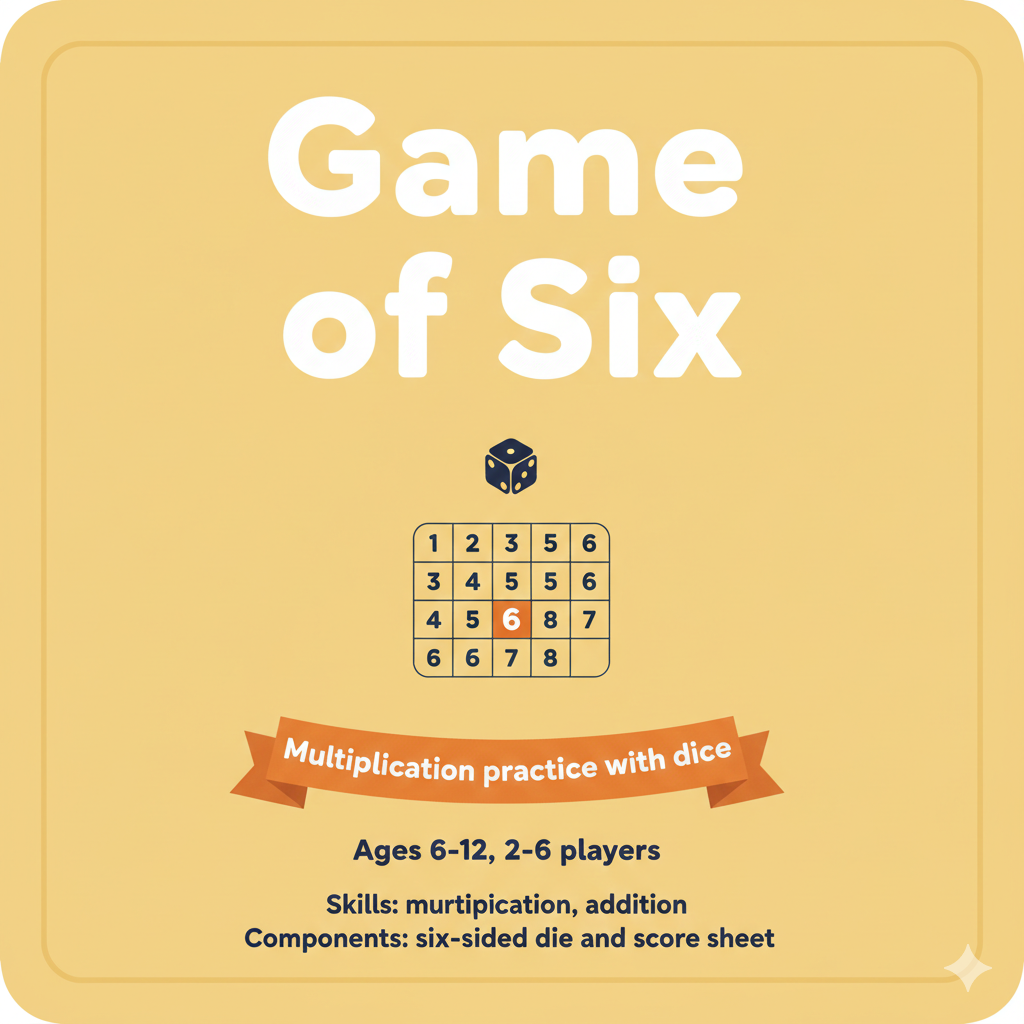
Game of Six
Multiplication practice with dice
Tools
Six-sided die, score sheet
Skills Developed
Multiplication, addition
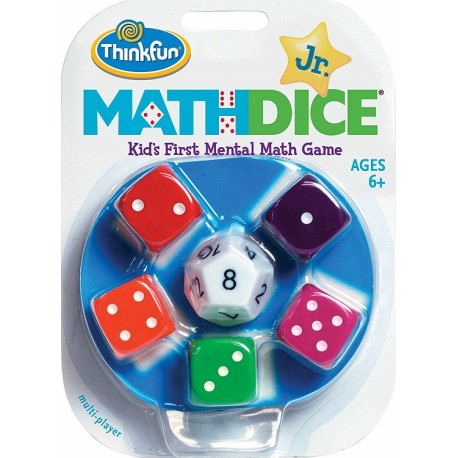
Math Dice
Target number calculation game
Tools
Two 12-sided dice, three 6-sided dice
Skills Developed
Calculation, addition and subtraction, number system, logical thinking
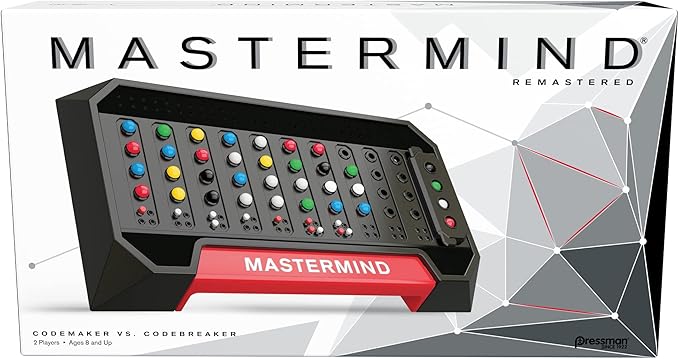
Mastermind
Code-breaking logic game
Tools
Mastermind game set with colored pegs
Skills Developed
Logical thinking, combinatorial and permutation skills, pattern recognition
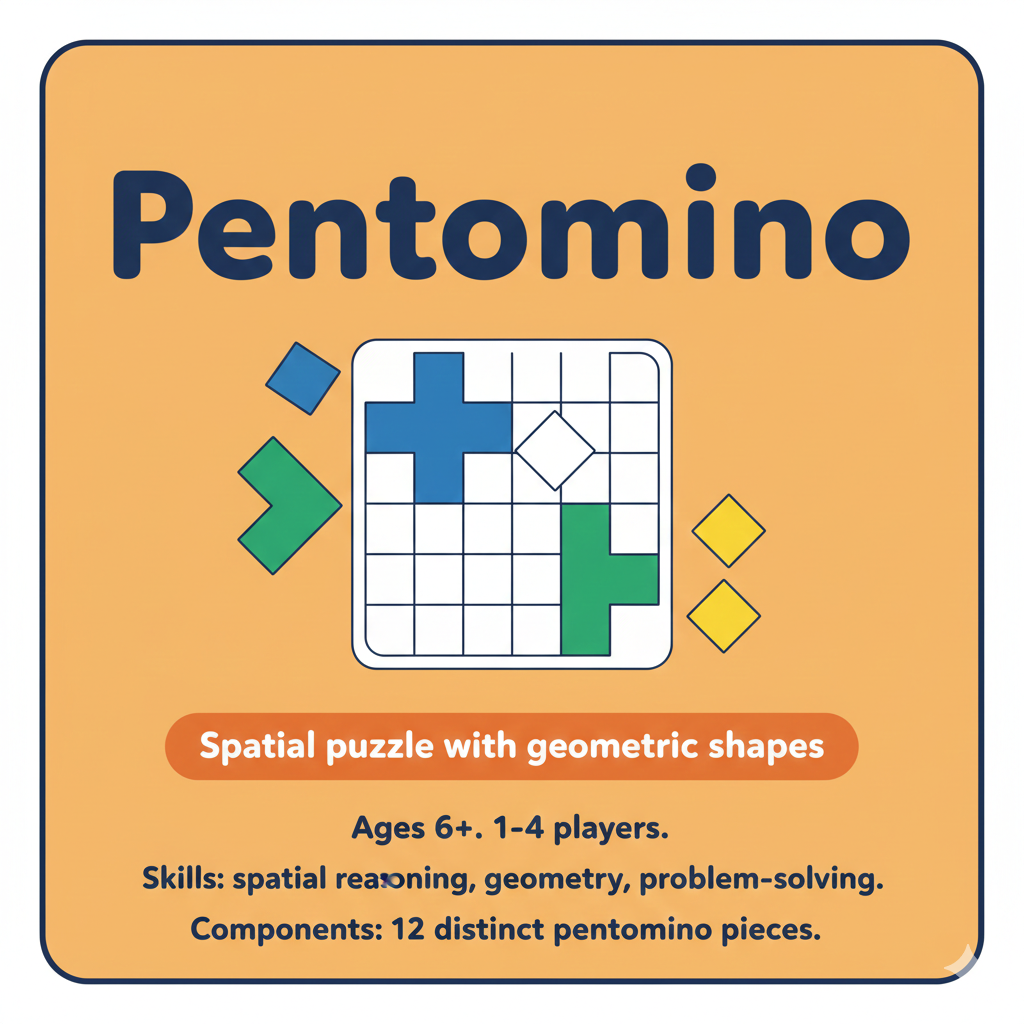
Pentomino
Spatial puzzle with geometric shapes
Tools
12 pentomino pieces, 8x8 board
Skills Developed
Spatial reasoning, geometry, problem-solving
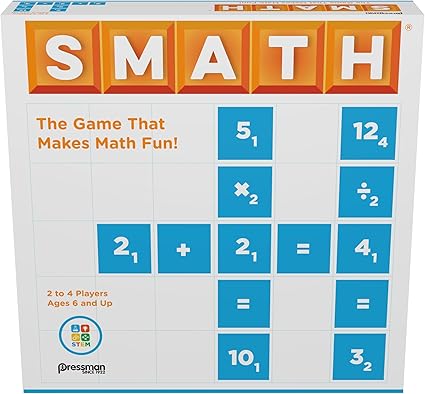
Smath
Math crossword puzzle game
Tools
Smath game board and tiles
Skills Developed
Calculation, addition and subtraction, multiplication and division, logical thinking, pattern recognition
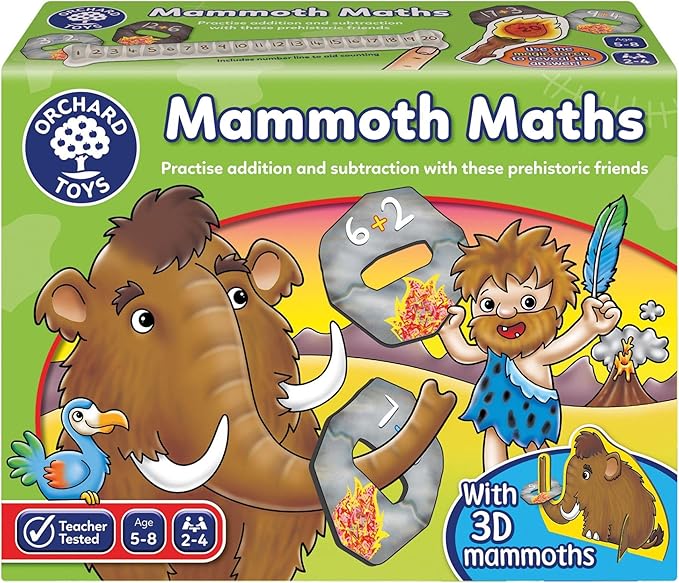
Mammoth Maths
Simple addition and subtraction game
Tools
Game board, dice, stone rings
Skills Developed
Addition, subtraction
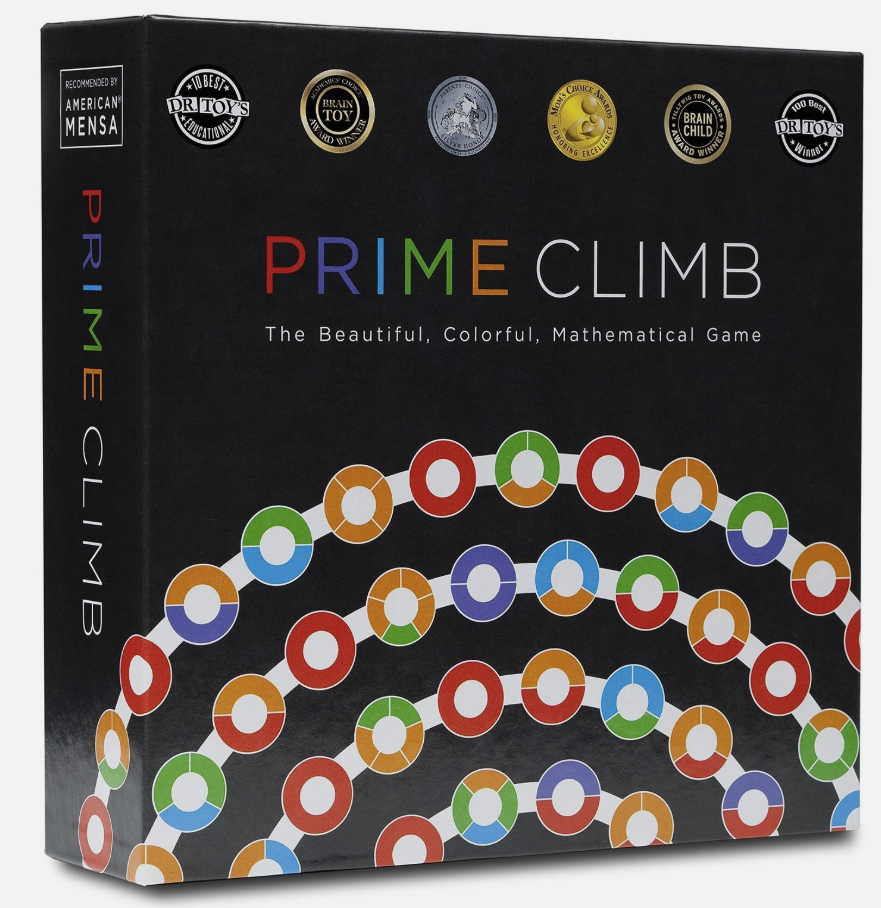
Prime Climb
Prime number strategy game
Tools
Prime Climb game board and pieces
Skills Developed
Primes and composite numbers, multiplication and divisibility, calculation and basic operations, strategy and logic
Modern Board games that impact math skills
These games are not explicitly "math games," but they all involve mathematical thinking and strategy to some degree:
The "Hidden Math" in Three Popular Games
Patchwork: Optimization and Geometry
Patchwork is an optimization problem at its core: you maximize your territory while making economic cost-benefit decisions every turn. Since it's a spatial puzzle, geometric thinking is deeply embedded — players mentally rotate and flip polyomino pieces to find the best fit. Beyond the gameplay, the polyomino concept itself has a fascinating history, from the Tetris games of the 1980s to modern board games by Uwe Rosenberg (Patchwork's designer also created A Second Chance — another excellent example). Even the end-game scoring involves practical arithmetic: adding points, subtracting penalties, applying the 2x multiplication table for empty spaces.
Splendor: Resource Engine Building and Value Comparison
Splendor is one of the tightest, most elegant games in the mainstream market — and that's precisely what makes it mathematically rich. You're building a resource engine and trying to understand its math. A collection of seemingly worthless items is the key to valuable ones, because those cheap cards let you reach the 15-point target faster than players who chase expensive cards from the start. The typical mistake: someone reaches 8-9 points while another player sits at 3-4, but that second player has been building an engine that suddenly produces cards cheaply or free, flipping the match to 15-12. Add probability estimation and risk assessment (available cards change randomly), plus pattern recognition (who can spot the colors available and the colors needed with least effort), and you have deep mathematical engagement disguised as a gem-trading game.
Ganz Schon Clever: Combinatorial Point Maximization
This is a combinatorial point-maximization puzzle with dice. Players try to activate chain reactions and synergies across different colored scoring tracks, where every decision affects future possibilities. It's essentially a decision tree: each dice placement opens or closes multiple future scoring paths. The mathematical skills practiced include probability estimation (which dice results are likely), optimization under constraints (limited actions per turn), and systems thinking (how one track interacts with another).
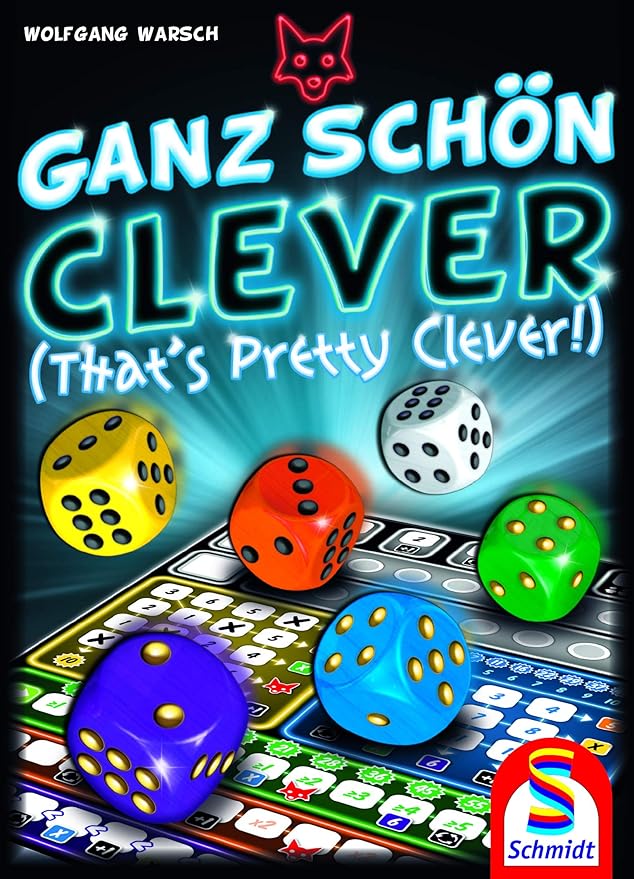
Ganz Schön Clever
Dice rolling strategy game
Tools
Six dice, score sheet
Skills Developed
Combinations and permutations, addition, multiplication, strategy and decision making, mathematical logic
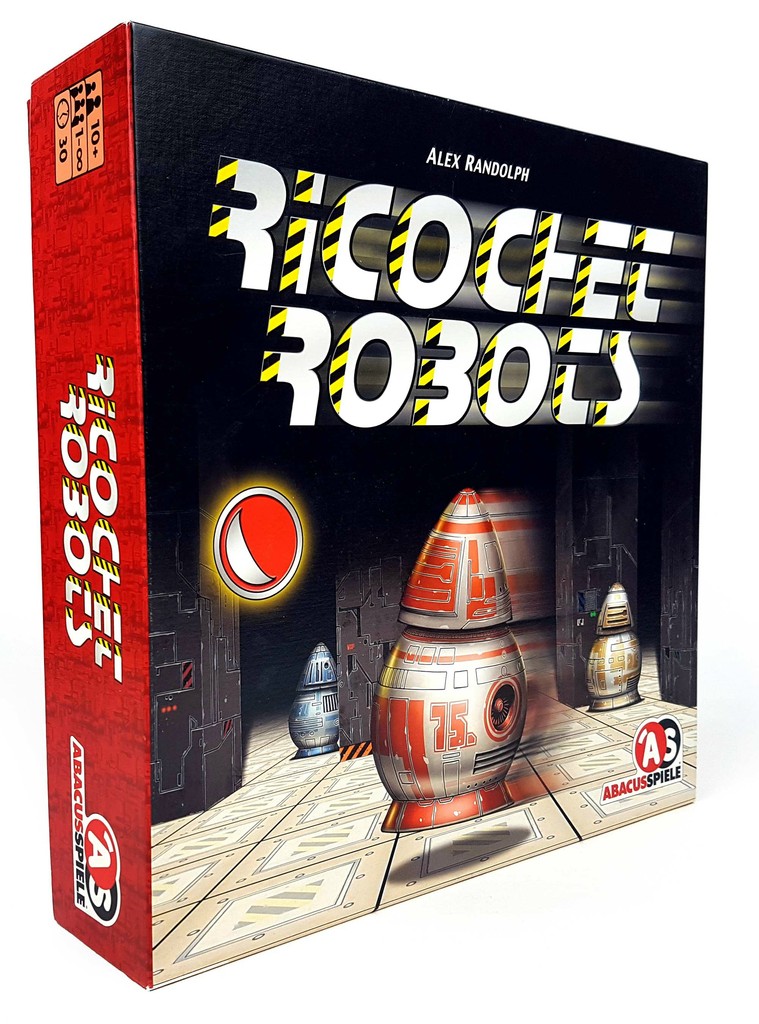
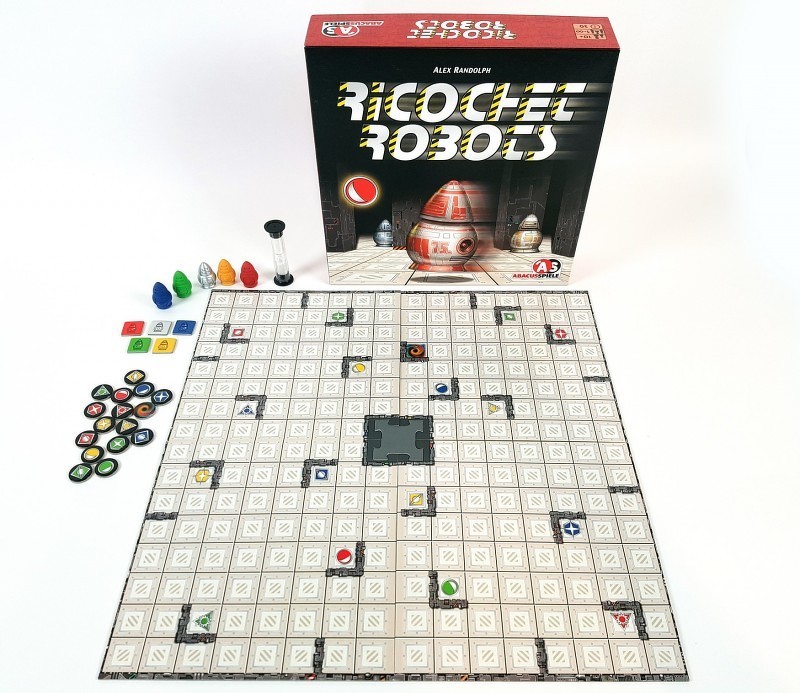
Ricochet Robots
Spatial programming puzzle
Tools
Game board, robot pieces, walls
Skills Developed
Spatial awareness, logical reasoning, coordination and planning, mathematical thinking, working memory, programming
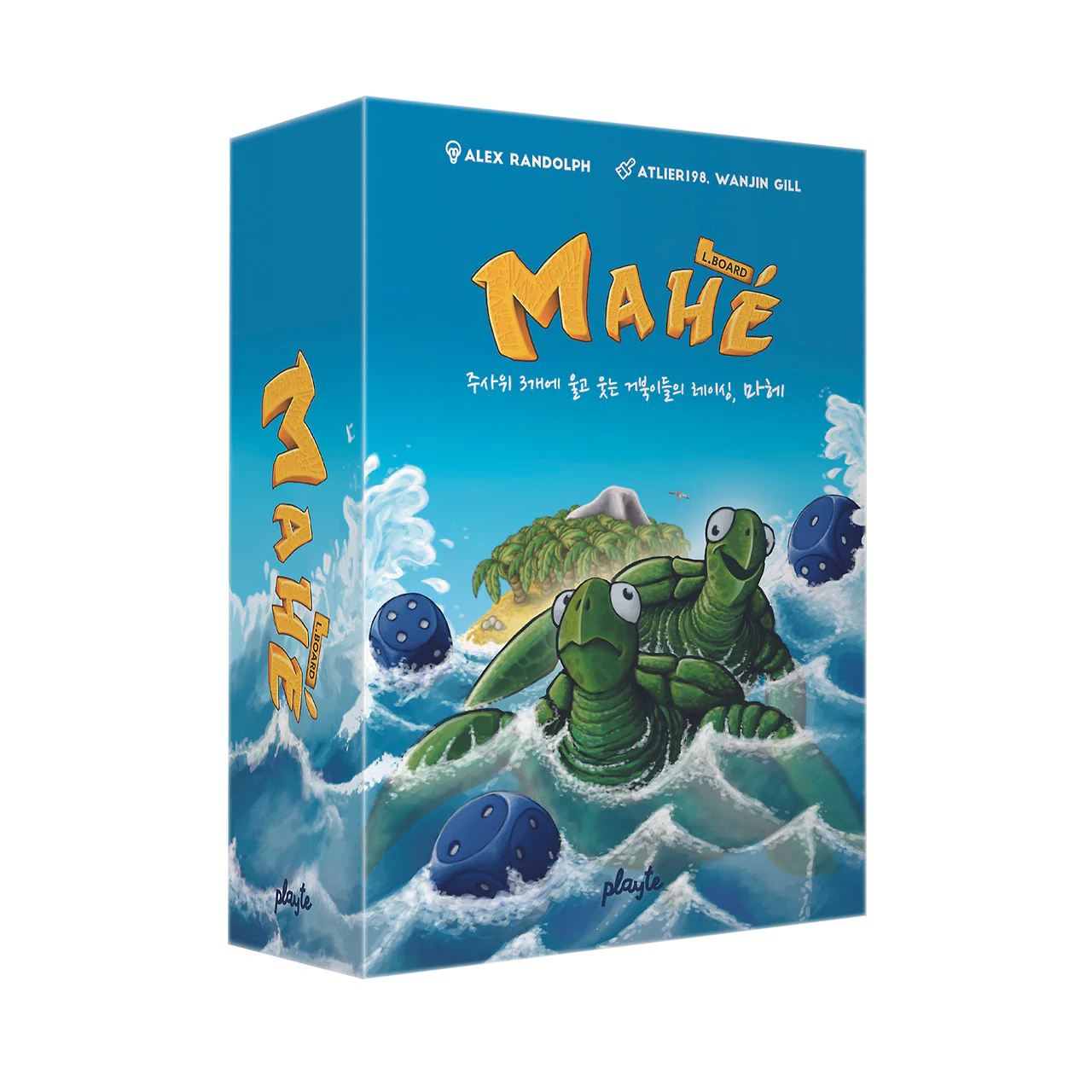
Mahé
Stacking and racing game
Tools
Game board, dice, player pieces
Skills Developed
Counting, multiplication, addition
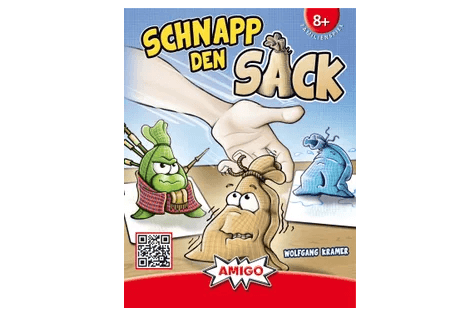
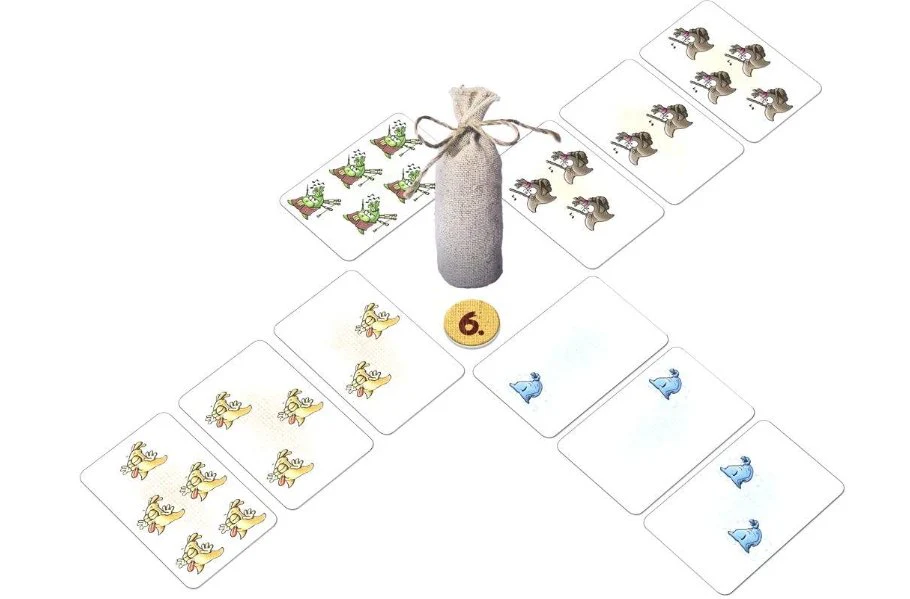
Schnapp den Sack
Quick counting and grabbing game
Tools
Cards, bag
Skills Developed
Addition, strategic thinking, number sorting and comparison, counting and comparison
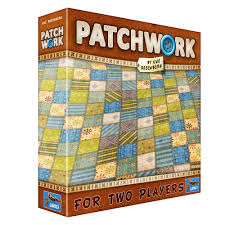
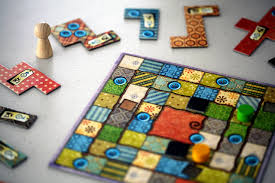
Patchwork
Patchwork is a two-player game that merges the calming art of quilting with strategic gameplay, an interesting dichotomy that sets it apart.
Two players take turns selecting and placing fabric patches on their personal board, trying to cover as much space as possible while managing their supply of buttons (the in-game currency). Time is also a factor, as each patch takes a certain amount of time to sew. The game ends when both players reach the end of the time board, and the player with the most buttons after penalties wins.
Tools
1 time board, 2 player boards, 33 fabric patches, 5 special patches, 1 neutral token, 50 button tokens, and a rulebook.
Skills Developed
The game enhances spatial reasoning, resource management, strategic planning, and decision-making, as players must efficiently fit patches onto their board while managing their button economy.
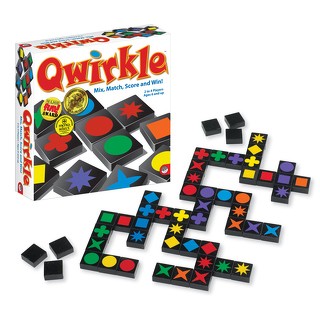
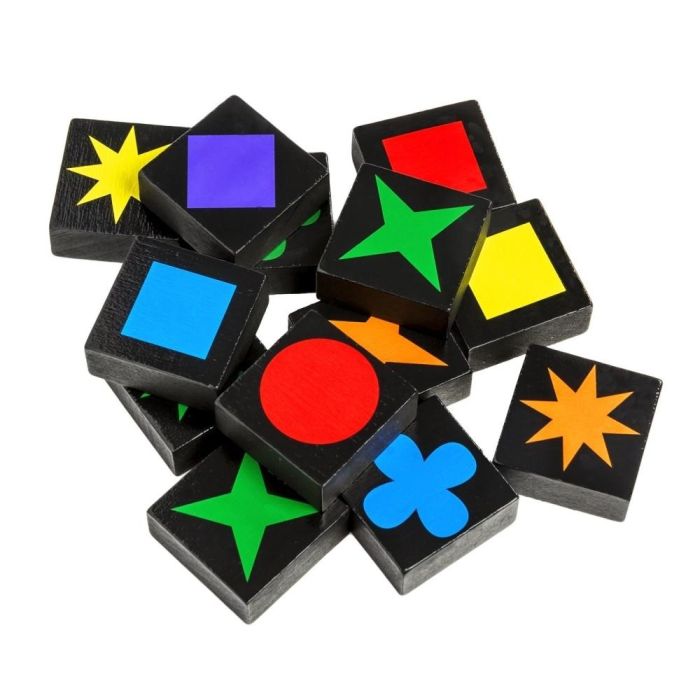
Qwirkle
Take it or leave it? That’s all there is to it—yet every decision makes you sweat.
Players take turns placing tiles in a shared grid, matching either colors or shapes in a row or column. The more tiles placed in a sequence, the higher the score. A Qwirkle (a full set of six matching tiles) earns bonus points. The player with the highest score at the end wins.
Tools
108 wooden tiles featuring six different shapes in six different colors.
Skills Developed
This game enhances pattern recognition, strategic thinking, spatial awareness, and planning skills, as players must carefully place tiles to maximize their points.
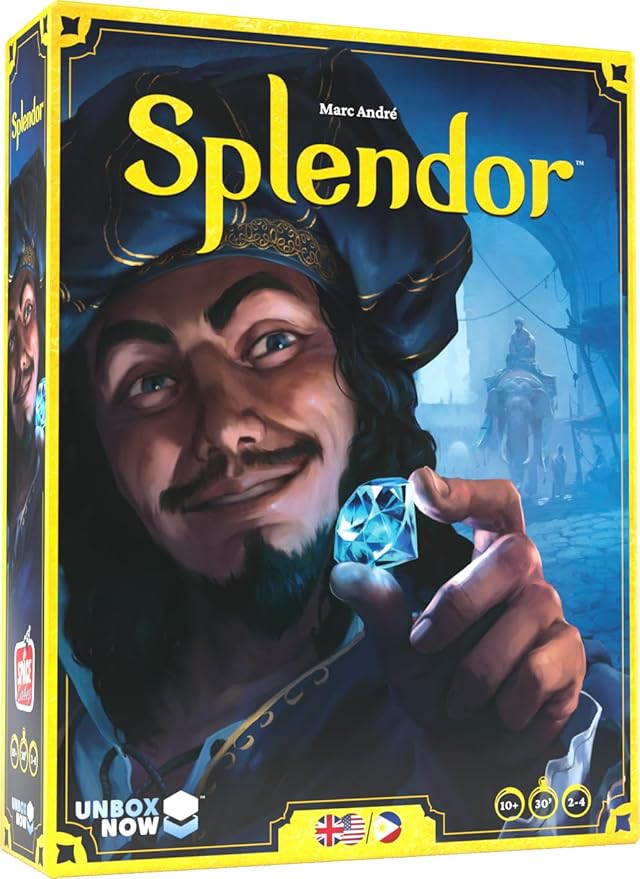
Splendor
Gem trading engine building game
Tools
Gem tokens, development cards, noble tiles
Skills Developed
Resource management, arithmetic, economic concepts
Tips for Using Math Board Games Effectively
Having the right game is only half the battle. How you introduce and play the game matters just as much. Here's our advice for different contexts:
For Parents at Home
-
Start with fun, not with learning goals. Pick a game because it's enjoyable, not because it "covers multiplication." If your child loves it, the math follows naturally.
-
Be patient. Motivation-based methods like board game pedagogy are slower than drill. They don't try to teach everything directly and immediately — they invite application, not memorization.
-
Allow mistakes. Board games build independent learning. Errors are part of the process.
-
Match the approach to the child. Review the three levels above and be honest about which one fits.
For Teachers in the Classroom
Using board games in a classroom setting requires different strategies than at home — managing groups, aligning with curriculum standards, dealing with mixed skill levels. We've written a comprehensive guide specifically for this: math board games for the classroom.
For Summer Practice
Summer is when math skills often regress. Board games are the perfect antidote — they keep mathematical thinking alive without feeling like homework. See our curated summer math game list for our specific recommendations on preventing summer slide.
Want Something Custom?
If you can't find the perfect game for your specific situation, consider making your own math board game. It's easier than you think, and the design process itself is a math exercise.
All Our Math Game Resources
This is our complete library of math game content. Each page goes deeper into a specific context or approach:
Math Games for the Classroom
30+ games organized for classroom use, with curriculum alignment tips.
Summer Math Game List
Prevent summer slide with these curated math game recommendations.
Math Card Games
Math games you can play with just a standard deck of cards.
65 Math Games for Adults
Our comprehensive list for older players and families.
Halloween Math Games
Seasonal math games for spooky holiday fun.
Educational Board Games Hub
Our parent guide covering all educational board game topics.
Frequently Asked Questions
A possible journey
With the listed games, I have a lot of good experiences, but there are surely other excellent choices as well. If you've gone through the above list, it's possible that something on your shelf also came to mind, which could be good for developing mathematical skills.
With a bit of exaggeration, every board game involves some level of math. If nothing else, you need to add up the points. The key is to try out many things and pay attention because if a particular direction works with the kids, that's the path to follow.
Have a great journey! And most importantly: have fun playing!
More Math Game Resources
No spam, ever. Unsubscribe anytime.
Spread the Fun of Learning!
Love our content? Show your support by sharing our page with your friends and help us inspire more families and educators with the joy of learning through play! Your shares truly make a difference. Thank you for being a wonderful part of our community!